


Electric motorcycles have moved well beyond the novelty stage. According to the International Energy Agency (IEA), global sales of electric two-wheelers surpassed 30 million units in 2023, with demand climbing fast across Asia, Europe, and North America. Riders aren't just chasing a trend — they're choosing machines that cost less to run, require far less upkeep, and, in many cases, outperform expectations on speed.
Still, a lot of buyers hesitate. They're not sure how the technology works, or whether it fits their daily routine. This guide breaks down the core mechanics behind electric motorcycles, compares performance specs across categories, and explains what matters most when choosing a model — whether you're shopping for yourself or sourcing from a China motorcycle factory for resale.
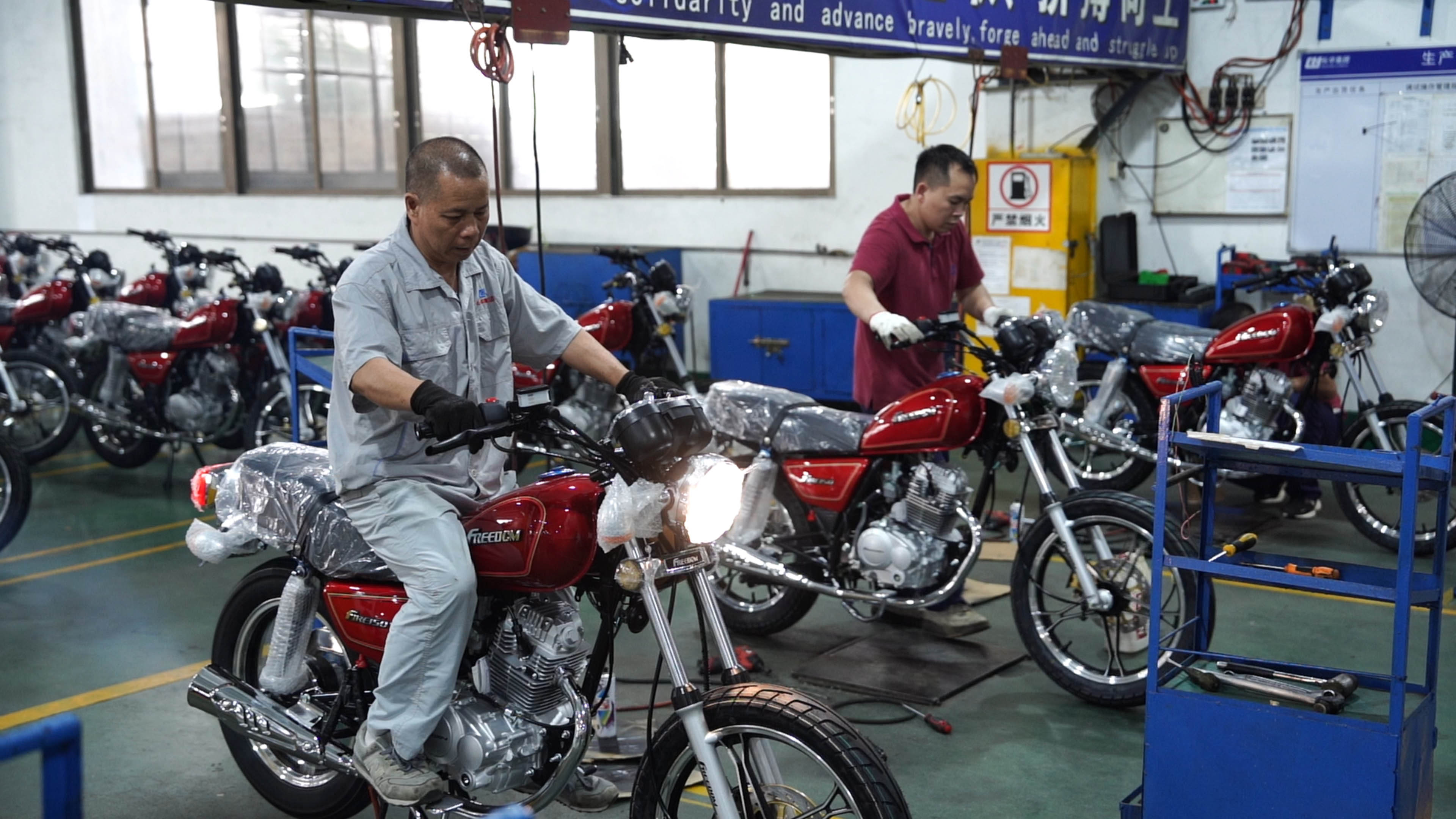
The Core Components That Power an Electric Motorcycle
Understanding how an electric motorcycle works starts with four parts: the battery pack, the electric motor, the controller, and the drivetrain. Each one plays a distinct role in getting the bike moving.
Battery Pack
The battery stores electrical energy, almost always using lithium-ion cells. Capacity is measured in kilowatt-hours (kWh). A larger battery means more range, but it also adds weight. Most commuter-grade models carry between 3 kWh and 10 kWh, while performance-oriented bikes can reach 20 kWh or more.
Electric Motor
The motor converts stored electrical energy into rotational force. Most electric motorcycles rely on brushless DC (BLDC) motors, prized for their efficiency, compact size, and minimal maintenance needs. Output is measured in watts or kilowatts — the higher the number, the more torque and acceleration you get.
Controller
The controller functions as the system's brain. It reads throttle input and determines how much power flows from the battery to the motor. It also manages regenerative braking, which recaptures energy during deceleration and feeds it back into the battery.
Drivetrain
Unlike gas-powered bikes, most electric motorcycles skip the clutch and multi-speed gearbox entirely. Power transfers directly from the motor to the rear wheel through a belt, chain, or shaft, delivering smooth, linear acceleration right from a standstill.
How Does Speed and Torque Differ from Gas Engines?
One of the biggest surprises for new riders is how quickly an electric motorcycle takes off. Gas engines build torque gradually as RPM climbs. Electric motors deliver maximum torque the instant the throttle opens — no buildup required.
A fast electric motorcycle in the performance segment can hit 0–60 mph in under three seconds, putting it on par with many sport bikes. Entry-level urban commuters are more modest, typically topping out around 45–60 mph, which suits city traffic just fine.
The table below breaks down performance tiers so riders know what to expect at each level:
Category | Motor Power | Top Speed | Typical Range | Best Use Case |
|---|---|---|---|---|
Entry-Level Urban | 1,500–3,000W | 28–45 mph | 40–60 miles | City commuting, short trips |
Mid-Range Commuter | 3,000–8,000W | 45–75 mph | 60–100 miles | Daily urban/suburban use |
Performance Sport | 10,000W+ | 90–120+ mph | 80–150 miles | Sport riding, highway travel |
Off-Road / Dual Sport | 5,000–15,000W | 50–80 mph | 50–90 miles | Trail riding, mixed terrain |
Motor wattage, battery voltage, and total vehicle weight are the three variables that most directly determine where a given model lands on this spectrum.
What Makes an Electric Motorcycle Practical for Adult Riders?
Range anxiety tops the list of concerns for adult buyers, but it's becoming less relevant as battery technology improves. Most adults commuting in urban or suburban areas travel fewer than 30 miles a day — well within reach of even entry-level electric models.
Maintenance costs tell a compelling story, too. Electric motorcycles have far fewer moving parts than combustion engines. No oil changes. No spark plugs. No air filters. Brake wear drops thanks to regenerative braking. Over five years of ownership, those savings add up fast.
Charging is simpler than most people expect. Most models support standard household outlets for overnight charging, with optional fast-charging ports that restore 80% battery capacity in one to two hours.
For adult riders weighing their options, choosing the right electric motorcycle for adults comes down to three factors: daily range requirements, the speed class needed, and whether the bike will be used for commuting, leisure riding, or a mix of both.
What Does Jiangmen Changhua Group Offer in the Electric Segment?
Founded in 2000 and headquartered in Jiangmen, Guangdong Province — one of China's most established motorcycle manufacturing hubs — Jiangmen Changhua Group Co., Ltd. has built a strong reputation across both combustion and electric vehicle segments. As a China motorcycle factory, the company operates a large production facility with multiple assembly lines, employs nearly 400 staff, and holds ISO9001 quality management certification alongside CCC, EEC, and GCC certifications.
Changhua Group's electric scooter motorcycle lineup is built for reliability and practicality. Every model goes through rigorous quality control to meet international export standards. The company ships to markets across Europe, the Middle East, Africa, South America, and Southeast Asia, with annual production capacity exceeding 100,000 units. For buyers and distributors sourcing electric two-wheelers at scale, Changhua Group supports both OEM and ODM configurations, so partners can customize specs and branding to fit specific market requirements.
Charging Infrastructure and Real-World Range Considerations
Public charging networks have expanded significantly in major cities, but home charging remains the most practical option for the average adult rider. A full overnight charge on a standard 110V or 220V outlet covers the needs of most daily commuters.
Cold weather does reduce battery efficiency — typically by 15–30%, depending on temperature and battery chemistry. Riders in colder climates should factor this into their range expectations, especially for winter commuting. Storing the bike in a garage or insulated space helps mitigate much of that effect.
The Right Electric Motorcycle Starts with the Right Information
Electric motorcycle technology has matured to the point where the real question isn't whether it works — it's which configuration fits your riding needs best. Understanding how battery capacity, motor output, and real-world range interact gives buyers a clear framework for comparison, whether they're picking a daily commuter or evaluating a fast electric motorcycle for weekend rides.
For distributors and fleet buyers looking for high-volume supply, Jiangmen Changhua Group offers certified electric scooter motorcycles built to international export standards. Contact Changhua Group directly to discuss specifications, minimum order quantities, and OEM partnership options.
Frequently Asked Questions
What is the difference between an electric motorcycle and an electric scooter?
Electric scooters typically use smaller motors (under 3,000W), feature step-through frames, and are built for low-speed urban use. Electric motorcycles use larger motors, have traditional motorcycle frames, and can reach highway-legal speeds. The distinction matters for licensing requirements, which vary by country and region.
How long does an electric motorcycle battery last before it needs to be replaced?
Most lithium-ion battery packs retain roughly 80% of their original capacity after 500–1,000 charge cycles. For an average commuter charging daily, that translates to three to five years before noticeable degradation. Replacement costs vary widely by model and manufacturer.
Are electric motorcycles cheaper to run than gas-powered bikes?
Yes, in most markets. Electricity costs significantly less per mile than gasoline. Combined with lower maintenance requirements — no oil changes, fewer brake replacements thanks to regenerative braking — total ownership costs over five years are generally lower for electric models, even with a higher upfront price.
Do electric motorcycles require a special license?
Licensing requirements depend on motor wattage and top speed, which vary by country and state. Entry-level, low-speed electric bikes often fall under moped regulations. Higher-powered models typically require a full motorcycle license. Always check local regulations before purchasing.
Is an electric motorcycle suitable for long-distance highway riding?
Current technology suits urban and suburban commuting better than long-distance highway travel. Performance models with 15–20 kWh batteries can cover 100–150 miles per charge, which works for some touring use when charging stops are planned. For regular highway distances exceeding 150 miles a day, charging infrastructure and range limitations remain practical constraints.


