


Quick answer:
A standard gas-powered two-wheeler typically lasts between 12 and 15 years, or roughly 100,000 miles, when properly maintained. Lifespan depends heavily on engine displacement, routine oil changes, and rider habits. Electric models generally require battery replacements after three to five years of consistent urban commuting.
Investing in personal transportation requires a clear understanding of mechanical limitations and necessary upkeep. Buyers need to know exactly what to expect regarding durability before committing to a specific model. Proper care ensures the internal engine components seat correctly and prevents premature wear, ultimately saving riders thousands of dollars in major repair costs.
A modern motorcycle motorbike represents a significant financial commitment. Because of this, owners must prioritize routine inspections and scheduled servicing to protect their investment. Readers of this guide will learn specific mileage expectations across different engine types, how various riding environments impact component health, and actionable steps to extend the longevity of their vehicle.
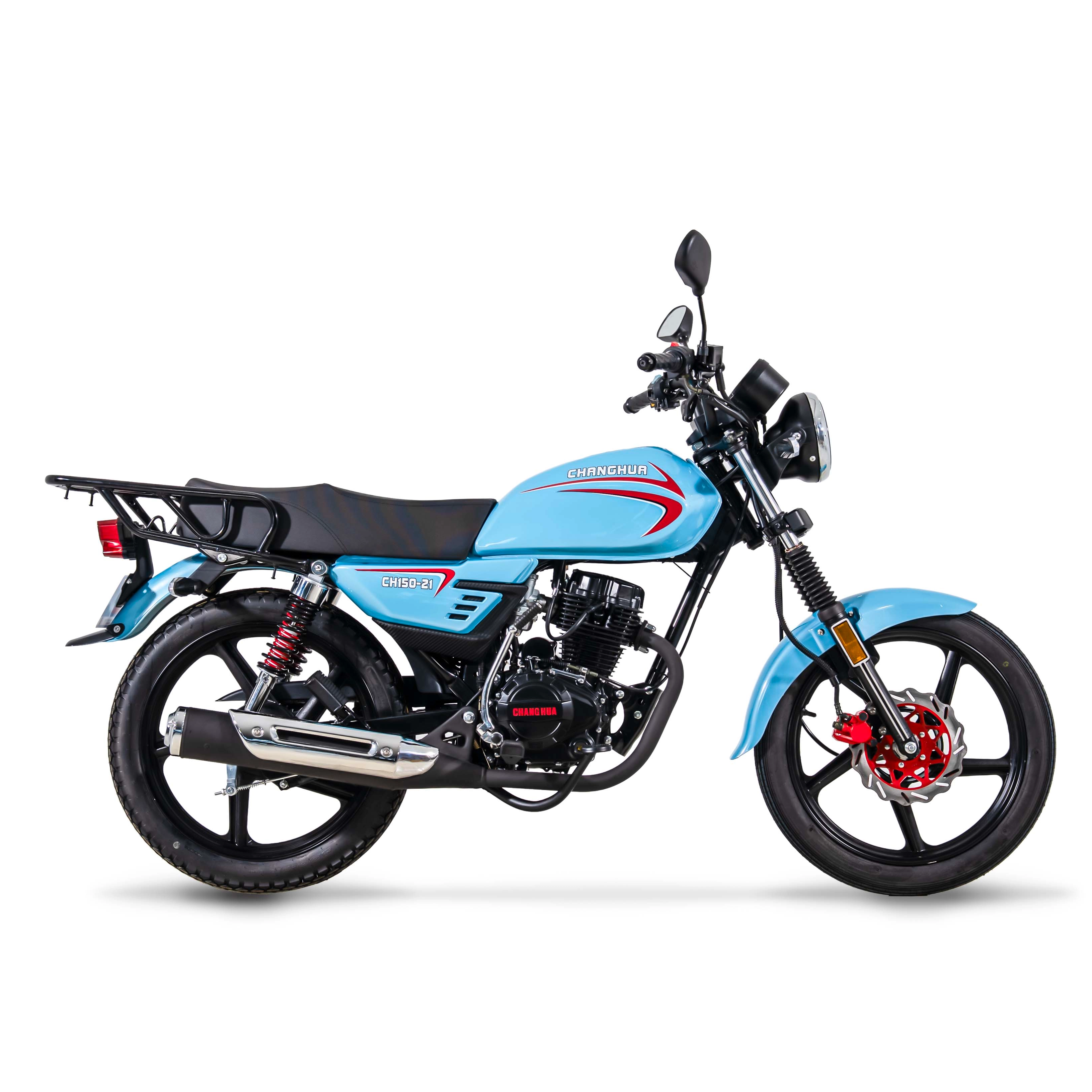
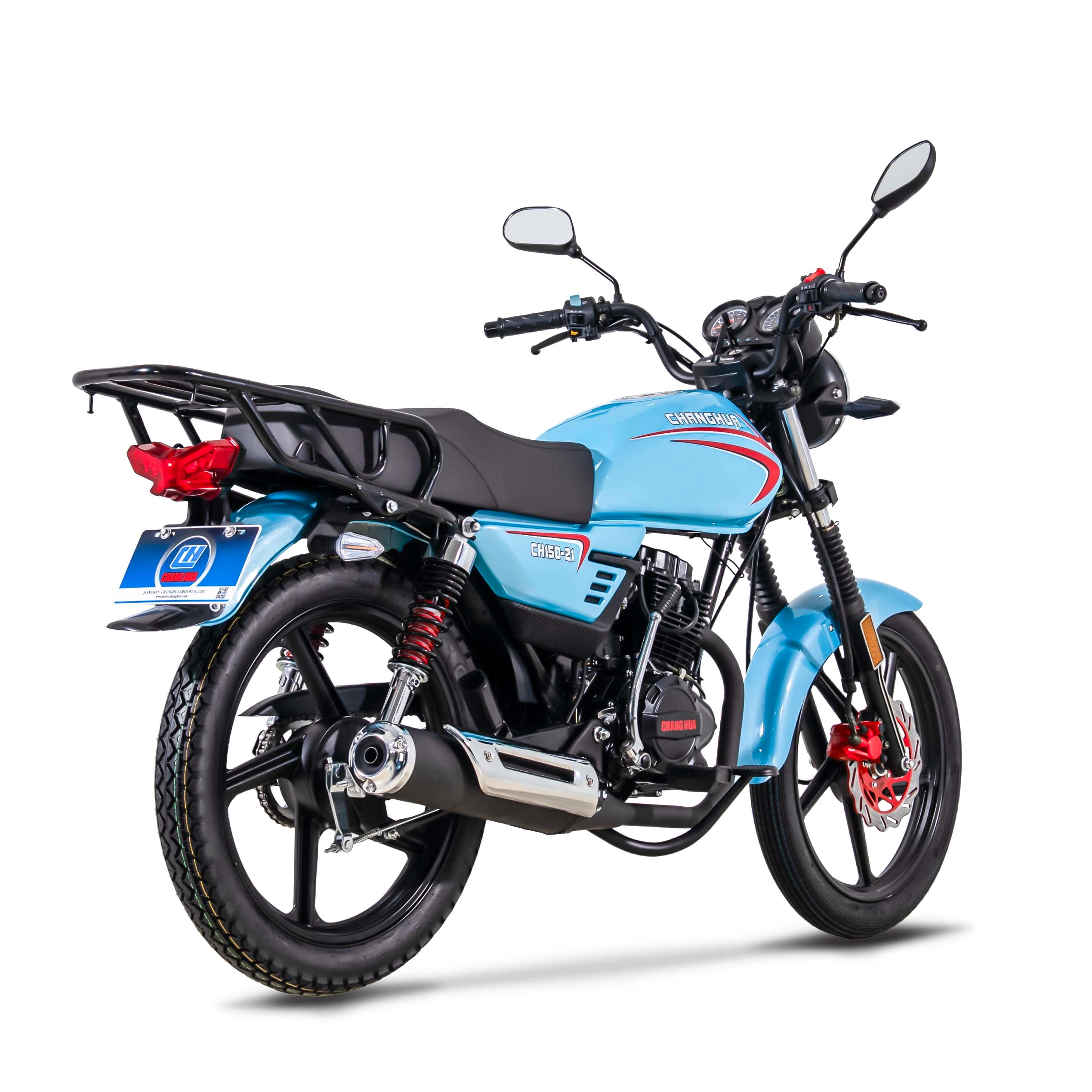
What elements determine the overall lifespan of an engine?
Engine size and configuration play a massive role in vehicle longevity. According to industry mechanics, smaller engines typically experience higher revolutions per minute (RPMs) to maintain highway speeds. This constant high-stress operation causes internal components to wear down faster than those in larger displacement engines.
People frequently research how long motorcycle last when trying to decide between a heavy highway cruiser and a lightweight daily commuter. A 125cc commuter engine might require an overhaul around 40,000 miles. Conversely, a 1000cc touring engine operating at lower RPMs can easily surpass 100,000 miles without requiring major internal reconstruction.
How does engine displacement affect mileage expectations?
Larger engines produce more torque at lower engine speeds. This mechanical advantage means the pistons, rings, and valves endure less friction and heat over the same distance compared to a smaller motor. Riders who primarily travel on highways should opt for engines above 500cc to ensure long-term reliability and reduce engine strain.
Which maintenance routines extend vehicle durability the most?
Consistent fluid management stands as the most critical factor in engine preservation. Riders should replace standard conventional oil every 3,000 miles, or synthetic oil every 5,000 to 7,000 miles, depending on the manufacturer's exact specifications. Clean oil minimizes metal-on-metal friction and helps dissipate heat away from the combustion chamber.
Beyond lubrication, maintaining precise valve clearances prevents catastrophic engine failure. Riders must schedule valve inspections every 12,000 to 16,000 miles. Ignoring this maintenance task leads to burnt valves, loss of compression, and eventual engine destruction. Additionally, keeping the drive chain clean, properly tensioned, and lubricated every 500 miles prevents premature sprocket wear and ensures smooth power delivery to the rear wheel.
Why is the initial break-in period critical for new engines?
The first 600 miles of a vehicle's life dictate its long-term reliability. During this phase, the piston rings must properly seat against the cylinder walls. Riders must vary their RPMs frequently, avoid aggressive acceleration, and perform an early oil change to remove microscopic metal shavings generated during the initial friction cycles.


How do different riding environments impact component wear?
The environment in which a vehicle operates directly influences how quickly its parts degrade. Urban commuting introduces frequent stop-and-go traffic, which forces the engine to run hotter due to a lack of sustained airflow. This environment also accelerates wear on the clutch plates, brake pads, and cooling system components.
Riders often debate the semantics of whether to call their vehicle a motor bike or motor cycle, but regardless of the terminology, exposing any two-wheeled vehicle to coastal air or winter road salt causes rapid oxidation. Rust compromises the structural integrity of the frame, exhausts, and electrical connections. Owners living in humid or coastal environments must wash their vehicles weekly and apply protective anti-corrosion sprays to exposed metal surfaces.
What are the differences in longevity between gas and electric models?
The transition to battery-powered transportation introduces completely different maintenance expectations. Electric vehicles feature significantly fewer moving parts, eliminating the need for oil changes, spark plug replacements, and valve adjustments. However, battery degradation remains the primary limiting factor for electric vehicle longevity.
Lithium-ion batteries typically endure between 500 and 1,000 full charge cycles before their capacity drops below 80 percent.
Power Source Type | Expected Overall Lifespan | Primary Maintenance Focus | High-Cost Replacement Part |
Internal Combustion | 10 to 15+ years | Oil, filters, valve clearances | Engine rebuild / Transmission |
Battery Electric | 8 to 12 years | Tire pressure, brake pads | Lithium-ion battery pack |
How can riders make the right purchasing decision based on lifespan?
Selecting the right vehicle requires aligning your daily needs with the mechanical realities of the machine. Choose a traditional internal combustion engine if long-distance touring and immediate refueling matter more than reducing your carbon footprint. Gas-powered models offer proven, decades-long durability when maintained correctly.
Choose an electric commuter scooter if low daily maintenance and eco-friendly urban travel matter more than highway capabilities. While the battery will eventually require replacement, the day-to-day operational costs and mechanical upkeep remain remarkably low compared to gas alternatives.
Actionable next steps for protecting your investment
Maximizing the lifespan of your vehicle requires proactive management rather than reactive repairs. Start by reviewing your owner's manual to understand the exact service intervals required by the manufacturer. Create a physical or digital maintenance log to track every oil change, tire replacement, and brake inspection.
Riders should immediately check their current tire pressure and inspect their drive chain tension. Taking 10 minutes each weekend to perform a visual inspection of fluid levels, brake pad thickness, and electrical connections will catch minor issues before they escalate into expensive mechanical failures.
Frequently asked questions about vehicle durability
What is considered high mileage for a used two-wheeler?
For sport models and small displacement commuters, anything over 25,000 miles is generally considered high mileage due to the high RPMs they endure. For larger touring models and heavy cruisers, 50,000 miles is considered high, though these engines can easily surpass 100,000 miles with strict maintenance.
How much does annual maintenance typically cost?
Routine annual maintenance for a traditional gas-powered vehicle averages between $500 and $1,000. This estimate includes synthetic oil changes, new tires, brake pad replacements, and professional chain adjustments. Costs increase significantly if major services, such as a valve clearance check, fall within that year.
Can you replace the battery on an electric trike?
Yes. Most electric tricycles and scooters feature modular battery packs designed for straightforward replacement. Owners should expect to replace the main power unit every three to five years, depending on charging habits and local climate conditions.


