


Quick answer:
The initial riding phase is crucial for long-term engine health and reliability. Riders must vary their RPMs, avoid aggressive acceleration, and perform an early oil change. Proper early maintenance ensures internal components seat correctly, prevents premature engine wear, and significantly extends the overall lifespan of your two-wheeled vehicle.
Purchasing a brand-new two-wheeled vehicle brings unmatched excitement. You finally have the keys to a pristine machine, and the open road is calling your name. However, treating a fresh engine with respect during its first few weeks of operation is essential. You cannot simply ride at top speed on day one. Internal engine components require time to wear together and create a perfect seal.
Riders who ignore these early precautions often face decreased performance, increased oil consumption, and expensive mechanical failures down the road. By understanding how to properly care for a new engine, you protect your investment and ensure a smoother, safer riding experience. This guide will explain exactly how to handle a new engine, what maintenance tasks to prioritize, and how to set your vehicle up for years of reliable service.


Why is the initial riding phase so critical for new engines?
When a fresh engine rolls off the assembly line, its internal parts are not yet perfectly matched. The microscopic surface of the metal is rough. The primary goal of a proper motorcycle break in period is to allow the piston rings to seat firmly against the cylinder walls.
If you ride too aggressively right away, the intense heat can glaze the cylinder walls. Glazing prevents the rings from creating a proper seal, leading to permanent power loss and oil leaks. Conversely, if you ride too gently and never put a load on the engine, the rings may never seat at all. The key is finding a balanced approach. You must introduce varied loads to the engine to create the correct amount of pressure and friction.
What are the best practices for the first few weeks?
The manufacturer will always provide specific guidelines in the owner's manual, and you should treat that document as your ultimate authority. Generally, the most critical phase happens early on. Putting the first few hundred miles on a motorcycle requires strict attention to engine speed and temperature.
Avoid holding the throttle at a constant speed for long durations. Highway cruising might seem gentle, but constant RPMs can actually hinder the seating process. Instead, ride on winding roads where you naturally accelerate, decelerate, and shift gears frequently. Engine braking—letting the engine slow the bike down when you roll off the throttle—is also highly beneficial because it pulls oil up to lubricate the upper cylinder walls.
Here is a general timeline for caring for a new engine.
Mileage Marker | Riding Style & RPM Limit | Required Maintenance |
0 to 100 Miles | Keep RPMs below 50% of the redline. Avoid full throttle. | Check tire pressure and chain tension before every ride. |
100 to 500 Miles | Keep RPMs below 75% of the redline. Vary engine speed constantly. | Perform the first oil and filter change to remove metal shavings. |
500 to 1,000 Miles | Gradually introduce short bursts of higher RPMs. | Check all bolts and fasteners for vibration loosening. |
1,000+ Miles | Ride normally. The engine is now fully prepared for regular use. | Follow the standard service schedule in the owner's manual. |
How do you choose a reliable vehicle for long-term use?
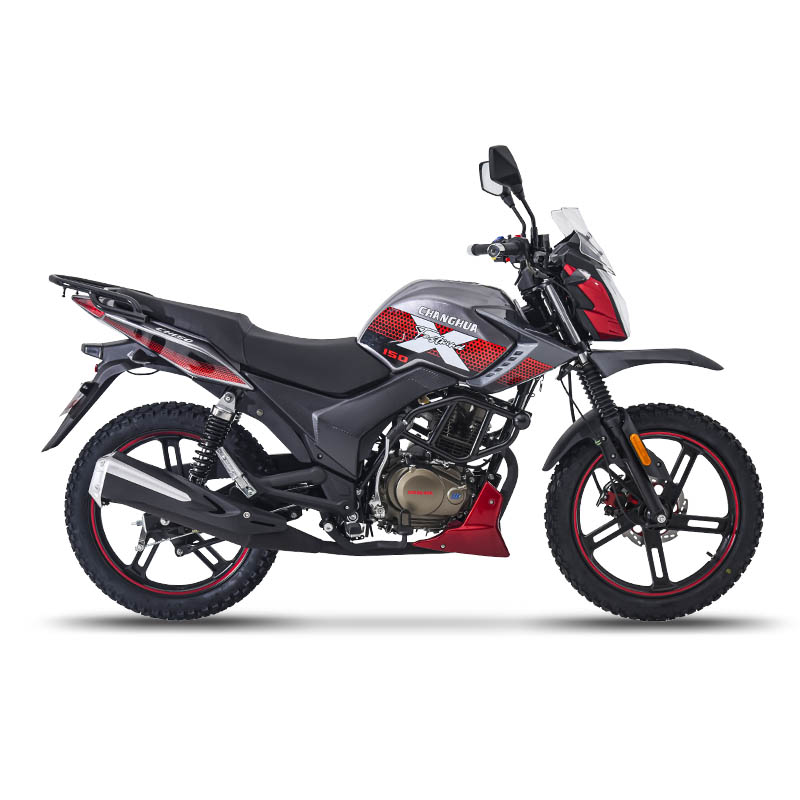
The longevity of a two-wheeled vehicle depends not only on how you treat it but also on how it was built. High-quality manufacturing standards dictate how well an engine handles friction and heat. Changhua Group, a leading manufacturer established in 2000, utilizes a 45,000-square-meter facility with over 60 senior technical engineers to produce top-tier vehicles. Their ISO9001 Quality Management System Certification ensures that every engine rolling off the line meets rigorous international standards.
When you purchase from a reputable china sport motorcycle wholesaler, you benefit from advanced engineering and precision assembly. Whether you choose a 150cc scooter or a high-performance sport model, selecting a machine built with verified quality control protocols gives you a significant advantage. A well-built engine requires less corrective maintenance and responds much better to proper early care.

What are the risks of ignoring early engine care?
Failing to follow the manufacturer's early guidelines can void your warranty and cause severe mechanical damage. The first oil change is arguably the most important service your vehicle will ever receive. During the first few weeks of operation, the friction between new metal parts creates tiny metal shavings.
If you do not drain the factory oil and replace the filter at the specified interval, these metal shavings will circulate through the engine. This contaminated oil acts like liquid sandpaper, scoring the bearings, cylinder walls, and camshafts. Furthermore, vibration during the first few weeks often causes chassis bolts to loosen. Skipping your initial dealer inspection could result in a loose chain, compromised brakes, or a detached exhaust component.
Next steps for your riding journey
Taking the time to care for your new engine requires patience, but the payoff is immense. A properly treated engine will deliver optimal fuel economy, maximum horsepower, and reliable daily starts.
Always consult your specific owner's manual for exact RPM limits and service intervals. Check your oil levels before every ride, keep your chain lubricated, and stay vigilant about tire pressure. By combining disciplined riding habits with strict maintenance schedules, you guarantee that your new vehicle will serve you flawlessly for years to come.
Frequently Asked Questions
How long does the initial engine care phase last?
For most internal combustion engines, the critical phase lasts between 500 and 1,000 miles. You must perform your first major oil change and dealer inspection immediately after reaching this mileage marker.
Can I use synthetic oil during the first 500 miles?
Choose conventional mineral oil for the first 500 miles unless the manufacturer explicitly states otherwise. Synthetic oil is often too slippery and can prevent the piston rings from creating the necessary friction to seat properly against the cylinder walls.
What happens if I accidentally rev the engine too high once?
A brief, accidental spike in RPMs will rarely cause permanent damage to a modern engine. The primary danger comes from sustained high RPMs or aggressive, full-throttle acceleration before the engine has fully warmed up.
Why does my new engine smell like it is burning?
New engines are coated in protective factory oils, paints, and anti-corrosion treatments. These coatings burn off during the first few heating cycles, creating a distinct burning smell that should naturally dissipate after a few rides.


