


Every rider eventually asks the same question after a few years on the road: how much longer will this bike actually run? The honest answer isn't a single number. It's a range that shifts based on how the motorcycle was built, how it's ridden, and how well it's cared for over time.
Most riders have heard wildly different answers to this question. Some swear their bike lasted well past 100,000 miles, while others replaced theirs after a fraction of that distance. Both stories can be true, because motorcycle durability depends on variables that differ from one rider to the next. Understanding these variables gives you a much clearer picture of what to expect from your own machine, and what you can do to push that number higher.
This guide breaks down what actually determines how long a motorcycle stays on the road, compares typical lifespans across different motorcycle types, and shares practical maintenance habits that make a measurable difference over time.
What Determines How Long a Motorcycle Lasts?
There's no fixed expiration date stamped on a motorcycle engine. Instead, three factors combine to shape its usable lifespan.
Build Quality and Manufacturing Standards
The materials, tolerances, and quality control used during manufacturing set the ceiling for how long any motorcycle can realistically last. Engines built with precision-machined components and rigorously tested assembly lines tend to hold up far better under sustained use than bikes built to cut corners on cost. This is one reason experienced buyers pay close attention to a manufacturer's certifications and production history before committing to a purchase.
Maintenance Habits
Even the best-built engine will fail early without consistent care. Regular oil changes, chain adjustments, and fluid checks prevent small issues from turning into expensive failures. Riders who stay on top of scheduled maintenance routinely get significantly more usable years out of their bikes than those who skip service intervals.
Riding Conditions and Usage
A motorcycle used for short, gentle commutes on paved roads will typically age more slowly than one ridden hard on rough terrain or used for daily commercial hauling. Heat, dust, humidity, and load all place additional stress on components, which shortens the interval between necessary repairs.
Typical Motorcycle Lifespan by Type
While exact figures vary by brand and model, here's a general comparison of how different motorcycle categories tend to hold up under typical use:
Motorcycle Type | Common Use Case | General Lifespan Expectation |
|---|---|---|
Commuter/Scooter | Daily urban transport | Moderate, with frequent short trips reducing engine strain |
Off-Road Motorcycle | Rugged terrain, recreational riding | Shorter engine life due to higher mechanical stress |
Sport Motorcycle | High-speed performance riding | Varies widely based on riding intensity and maintenance |
Cargo Tricycle | Commercial hauling, delivery work | Depends heavily on load consistency and service frequency |
These figures shift depending on engine displacement, cooling system design, and how consistently the bike receives service. A well-maintained scooter can easily outlast a neglected sport bike, regardless of the original price tag.
Essential Motorcycle Longevity Tips
A handful of consistent habits make the biggest difference in how long a motorcycle stays reliable:
Change oil on schedule. Fresh oil reduces engine wear far more effectively than stretching intervals to save money.
Inspect the chain and sprockets regularly. A dry or misaligned chain accelerates drivetrain wear.
Check tire pressure and tread. Poor tire condition affects handling and puts uneven stress on the suspension.
Store the bike properly. Covered, dry storage prevents rust and corrosion, especially in humid climates.
Address small issues immediately. A minor unusual noise or vibration often signals a problem that gets more expensive to fix the longer it's ignored.
Riders who search for reliable motorcycle longevity tips usually discover that consistency matters more than any single fix. Small, regular efforts compound into years of added service life.
How Manufacturing Quality Affects a Motorcycle's Lifespan
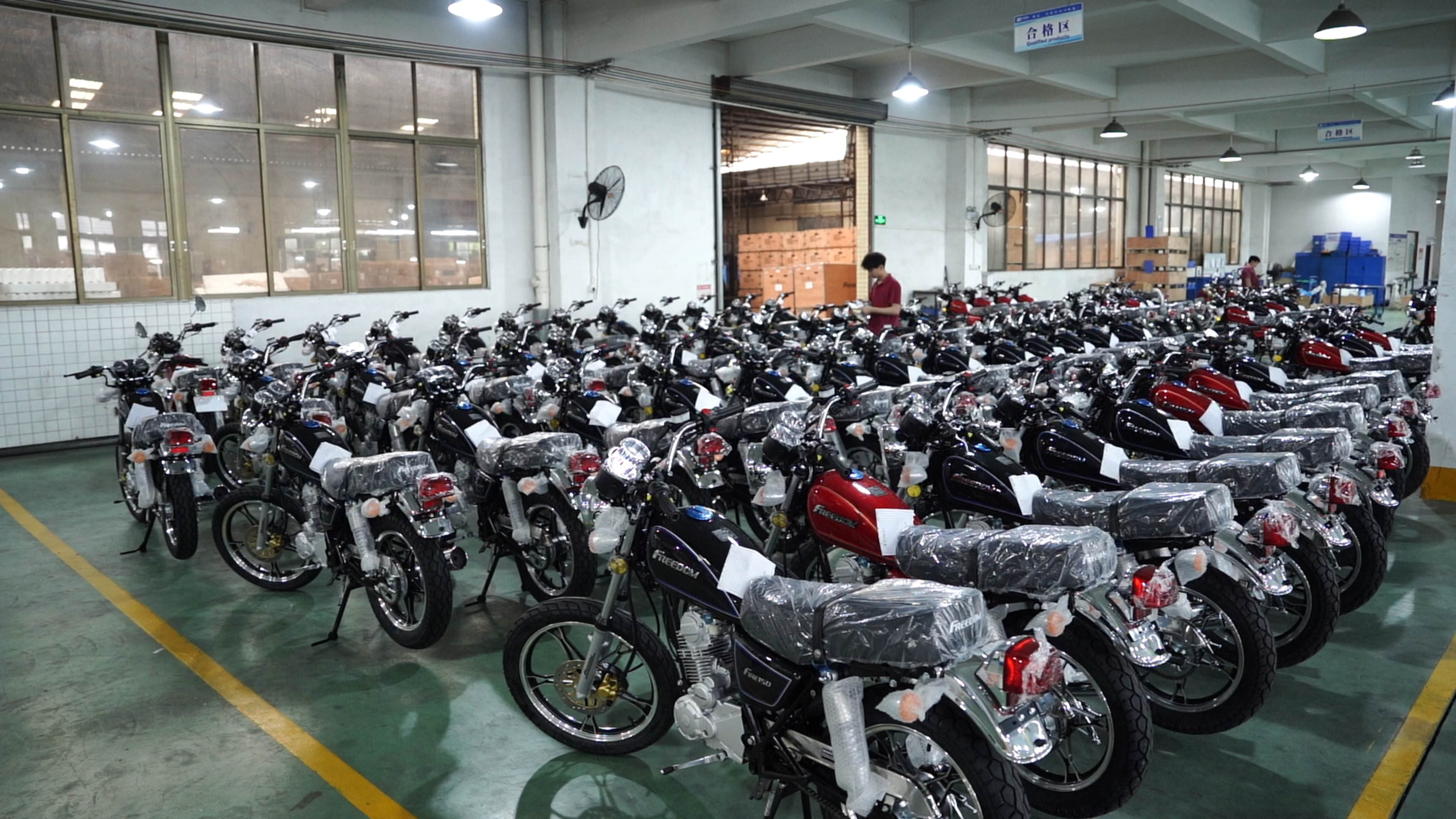
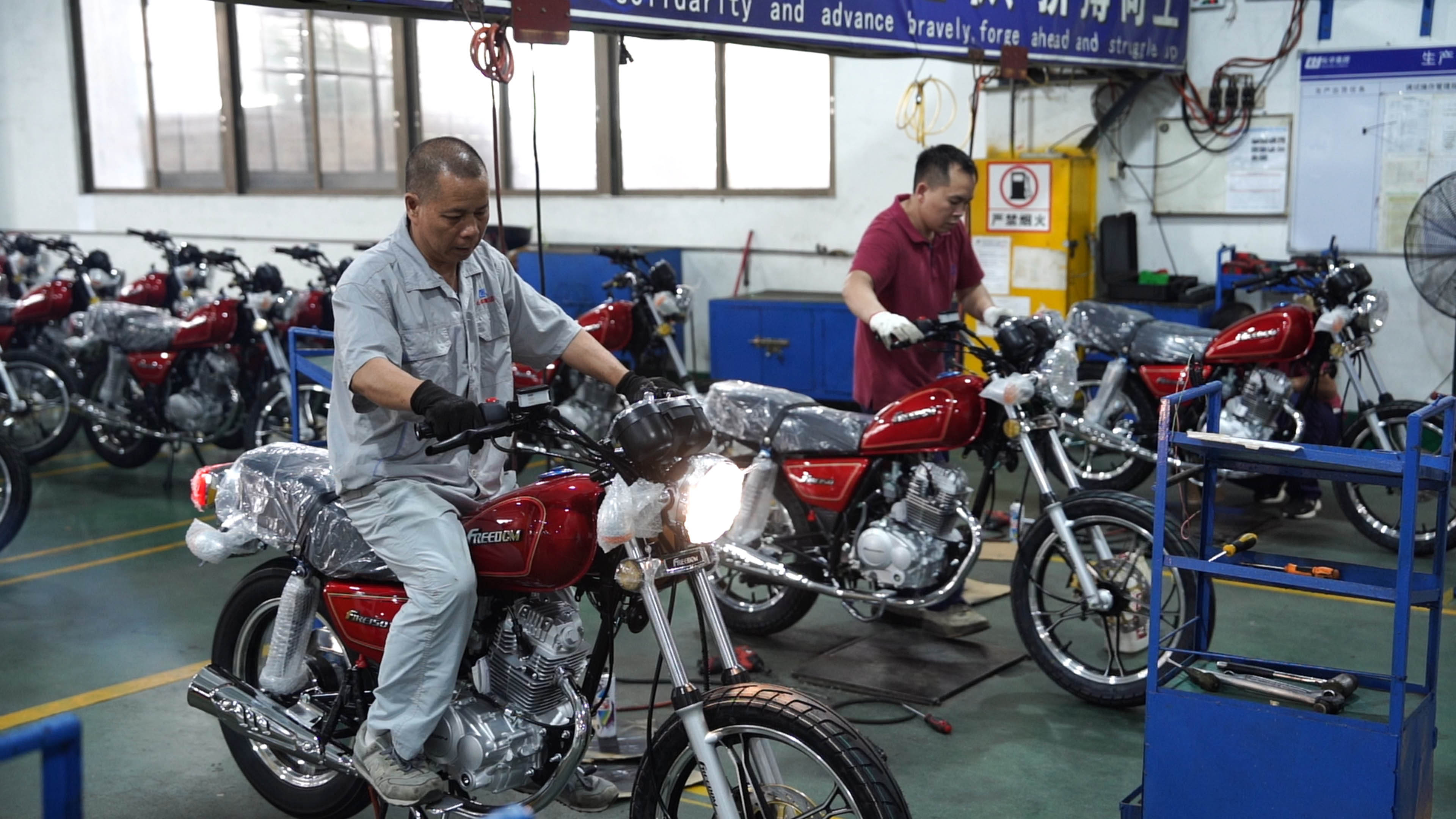
Maintenance can only do so much if the underlying build quality is weak. This is where the manufacturer's production standards come into play. Jiangmen Changhua Group Co., Ltd., founded in 2000 and based in Jiangmen, China's well-known motorcycle manufacturing hub, has built its reputation on exactly this principle. The company operates a 45,000-square-meter facility with multiple production lines and nearly 400 employees, with half holding a college degree or higher.
Changhua Group holds ISO9001 Quality Management System certification, along with 3C, GCC, and E-MARK certifications, reflecting a manufacturing process built around consistency and accountability. With more than 30 patents and over 60 senior technical engineers on staff, the company produces upward of 100,000 units annually, exporting to Europe, the Middle East, Africa, South America, and Southeast Asia.
For riders and fleet buyers evaluating the average life of a motorcycle before purchasing, this kind of manufacturing transparency matters. A bike built on a certified production line, with engineering oversight at every stage, starts its life with a real advantage over one assembled with inconsistent quality control.
This is also why fleet operators and commercial buyers increasingly research a manufacturer's certifications and export history before placing large orders. A motorcycle that holds up under daily commercial use protects both the investment and the operational schedule built around it.
What Shapes the Life Expectancy of a Motorcycle Over Time
It's worth remembering that lifespan isn't fixed at the point of purchase. The life expectancy of a motorcycle continues to shift throughout its life, influenced by every oil change, every ride in extreme weather, and every repair handled promptly or delayed. Two identical models can end up with very different outcomes purely based on how their owners treated them.
This is encouraging news for riders who want their motorcycle to last as long as possible. While you can't control how the bike was manufactured after the fact, you have significant influence over everything that happens after the purchase.
Extend Your Motorcycle's Life for Years to Come
There's no universal number that tells you exactly how long a motorcycle will last. What matters more is understanding the factors within your control: consistent maintenance, sensible riding habits, and starting with a bike built on solid manufacturing standards.
If you're evaluating a new motorcycle purchase, take time to research the manufacturer's certifications, production capacity, and export track record. Combine that foundation with disciplined upkeep, and you'll give your motorcycle the best possible chance at a long, dependable life on the road.
Frequently Asked Questions
How many miles can a motorcycle typically run before major repairs are needed?
This varies by engine type and maintenance history, but consistent servicing generally extends the interval between major repairs significantly compared to neglected upkeep.
Does the brand of motorcycle affect how long it lasts?
Yes. Manufacturers with certified quality systems and rigorous production standards tend to produce motorcycles that hold up better over time than those without such oversight.
What's the single most important maintenance habit for longevity?
Regular oil changes are widely considered the most impactful habit, since fresh oil directly reduces engine wear.


