


Quick answer:
For fleet operators, delivery services, and commercial riders, fuel efficiency isn't just a number—it directly impacts the bottom line. A standard motorcycle typically delivers between 40 and 60 miles per gallon (MPG), though this figure varies significantly based on engine displacement, riding behavior, and maintenance discipline. Commercial operators can achieve measurable fuel savings by enforcing precise tire pressure protocols, adhering to scheduled oil changes, and training riders to avoid aggressive acceleration during daily operations.
Fuel expenditure ranks among the largest variable costs for any commercial fleet. Switching from four-wheeled vehicles to two-wheeled alternatives immediately reduces per-mile fuel spend, yet ownership alone does not guarantee optimal efficiency. Fleet managers and owner-operators who understand the mechanical and behavioral drivers of fuel consumption can substantially reduce operating costs, extend per-tank range, and improve overall route economics.
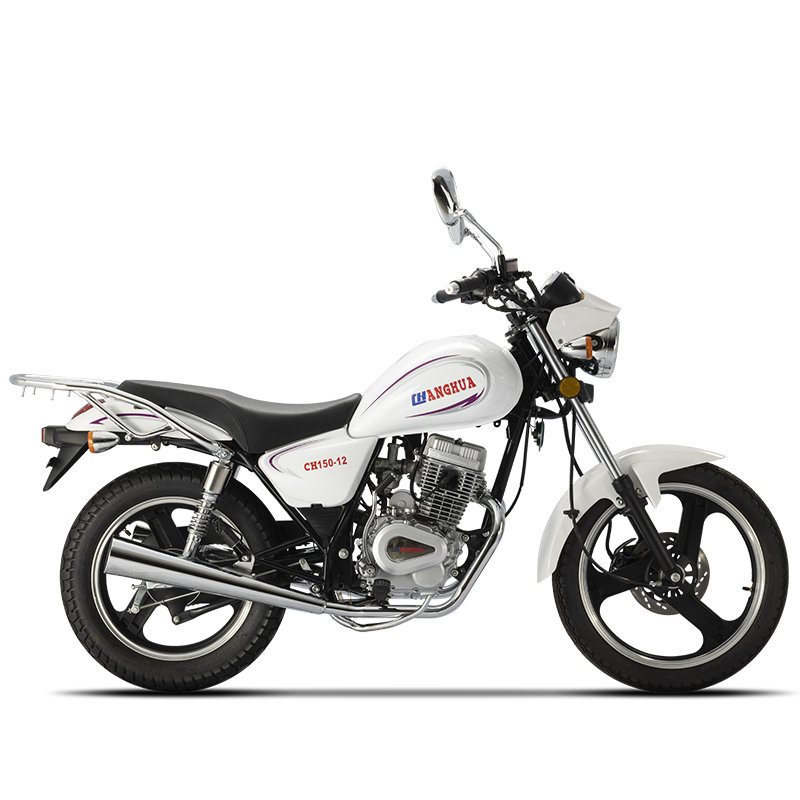
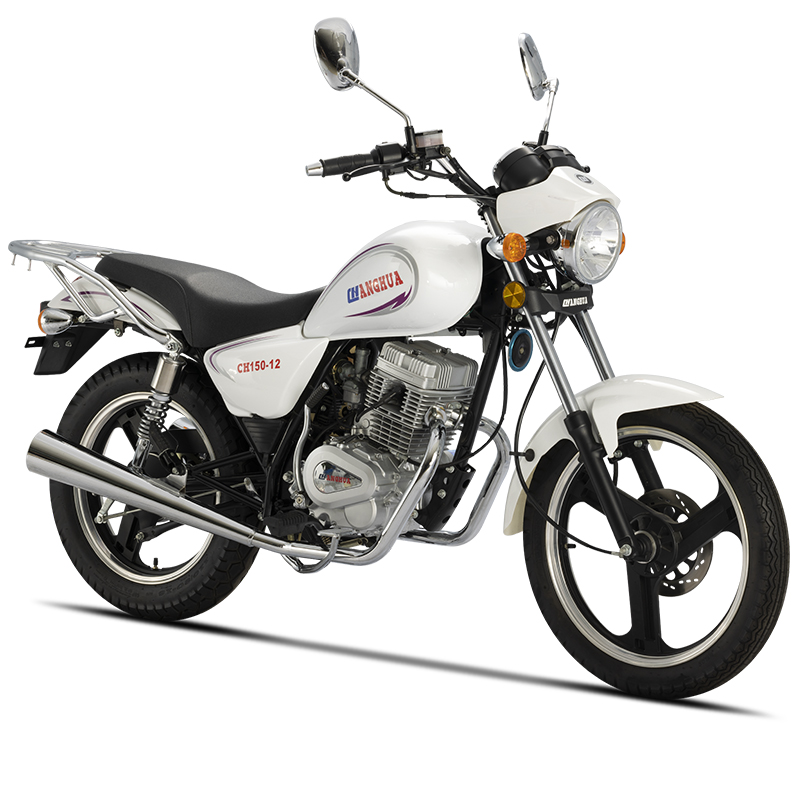
Establishing a performance baseline for each vehicle is a foundational step toward operational efficiency. A 125cc scooter delivers vastly different fuel economics than a 1000cc touring bike, and these differences must be factored into vehicle selection and route planning. By systematically tracking motorcycle mileage across your fleet over several weeks, you can identify efficiency patterns, detect mechanical anomalies early, and adjust riding protocols accordingly.
Many commercial riders assume that poor fuel economy is an unavoidable characteristic of certain bike classes. However, disciplined adjustments to acceleration habits, braking techniques, and preventive maintenance schedules can transform a high-consumption machine into a cost-effective workhorse. This guide examines the key variables influencing fuel economy and provides actionable strategies to help commercial operators maximize distance per tank and minimize per-mile fuel costs.
What factors affect fuel consumption the most?
Several distinct variables dictate how quickly a bike burns through fuel. Engine displacement plays the largest role. A massive engine requires more combustible material to generate power, naturally lowering fuel efficiency. Conversely, lightweight commuters with smaller engines need a fraction of that fuel to reach highway speeds.
Riding habits also drastically alter fuel efficiency. Riders who constantly rev their engines, accelerate aggressively from stoplights, and brake at the last second force the engine to work much harder. These aggressive riding patterns can easily reduce the average mileage on motorcycles by up to 20 percent. Smooth, gradual acceleration keeps the engine operating within its optimal power band, which conserves fuel and reduces wear on internal components.
Environmental conditions and vehicle load act as secondary factors. Carrying a heavy passenger or loading up saddlebags requires the engine to produce more torque, consuming more gas in the process. Additionally, fighting strong headwinds or riding up steep mountain inclines forces the throttle open wider. Choosing aerodynamic gear and removing unnecessary cargo can help mitigate these environmental losses.
How does engine size change fuel economy?
Engine displacement directly correlates with fuel efficiency. Manufacturers design small engines primarily for urban commuting, focusing heavily on stretching every drop of fuel. Large engines prioritize horsepower, torque, and high-speed stability, sacrificing efficiency for performance.
The table below outlines estimated fuel efficiency based on common vehicle categories and engine sizes. Keep in mind that specific models and rider behavior will cause these numbers to fluctuate.
Vehicle Category | Typical Engine Size (cc) | Estimated MPG | Best Riding Environment |
Commuter Scooters | 50cc - 150cc | 80 - 100+ | Dense urban streets, short trips |
Entry-Level Street | 250cc - 400cc | 55 - 75 | City commuting, light highway |
Mid-Weight Cruisers | 500cc - 800cc | 45 - 60 | Mixed highway and urban riding |
Heavy Touring | 1000cc - 1800cc | 35 - 45 | Long-distance interstate travel |
High-Performance Sport | 600cc - 1000cc | 30 - 40 | Track days, aggressive riding |
Choose a scooter or entry-level street bike if maximizing fuel economy is your primary goal. Select a mid-weight cruiser if you need a balance between highway capability and reasonable efficiency.


What are the best ways to improve fuel economy?
Consistent maintenance remains the most effective strategy for boosting fuel efficiency. Under-inflated tires create unnecessary rolling resistance, forcing the engine to burn more gas simply to maintain speed. Checking tire pressure weekly using a high-quality gauge ensures the tires remain at the manufacturer's recommended PSI.
Engine health directly impacts efficiency. Dirty air filters restrict oxygen flow to the combustion chamber, causing the bike to run "rich" (using too much fuel). Replacing the air filter every 10,000 miles keeps the air-to-fuel ratio balanced. Furthermore, old, degraded engine oil creates internal friction. Fresh oil lubricates the internal components smoothly, which ultimately preserves your motorcycle average mileage and extends the life of the vehicle.
Aerodynamics also play a crucial role, especially at highway speeds. A rider sitting bolt upright catches a massive amount of wind, acting like a parachute. Tucking in slightly behind the windshield or fairings reduces drag. Wearing form-fitting gear rather than baggy jackets also allows the wind to slip past you easily, reducing the aerodynamic load on the engine.
Next steps for a more efficient ride
Improving your bike's fuel efficiency requires a combination of smart riding habits and diligent mechanical upkeep. Start by checking your tire pressure this weekend and removing any unnecessary cargo from your storage compartments. Next, practice smooth acceleration during your daily commute. These minor behavioral and mechanical shifts will quickly translate into visible savings at the gas pump, allowing you to enjoy the open road without worrying about the cost of the journey.
Frequently asked questions
What is considered high mileage for a standard bike?
A bike is generally considered high mileage once it surpasses 40,000 to 50,000 miles. However, heavily maintained touring models often exceed 100,000 miles without requiring a major engine rebuild. The lifespan depends entirely on how rigorously the owner follows the manufacturer's service schedule.
Do electric models have better range than gas-powered ones?
No, traditional gas-powered vehicles currently offer a superior maximum range. A large touring bike can often travel over 250 miles on a single tank. Most electric alternatives max out around 100 to 150 miles per charge, though electric technology is rapidly advancing to close this gap.
How often should I check my tire pressure?
Riders should check their tire pressure at least once a week, and ideally before every long trip. Temperature fluctuations drastically alter tire pressure, and running tires just a few PSI below the recommended level will noticeably decrease fuel efficiency and compromise handling.
Does premium gas improve fuel economy?
Premium gas only improves efficiency if the manufacturer explicitly requires a high-octane fuel for that specific engine. Pumping premium gas into a standard commuter engine designed for regular unleaded fuel will not provide any measurable increase in MPG or performance.


