


Quick answer: An adult tricycle provides excellent stability, large cargo capacity, and comfort for daily commuting or transport tasks. Buyers should prioritize motor power, battery range, and frame durability to ensure the vehicle safely supports their specific payload and daily travel distance requirements.
People constantly seek better ways to navigate busy city streets. Commuters need vehicles that balance efficiency with practical carrying capacity. Gas prices and urban congestion make traditional cars less appealing for short trips across town. As a result, many riders are exploring alternative forms of motorized transport to save money and reduce their carbon footprint.
However, many riders feel hesitant about balancing on two wheels. They want a reliable alternative that does not require the physical balancing act of standard bicycles or motorcycles. This gap in the market has fueled the popularity of three-wheeled mobility solutions, which offer a secure and grounded riding experience for people of all ages.
This guide explains exactly how to evaluate a three-wheeled commuter vehicle. Readers will learn the distinct advantages of these machines, how to assess key features, and how to determine if this type of transport aligns with their daily logistical needs.

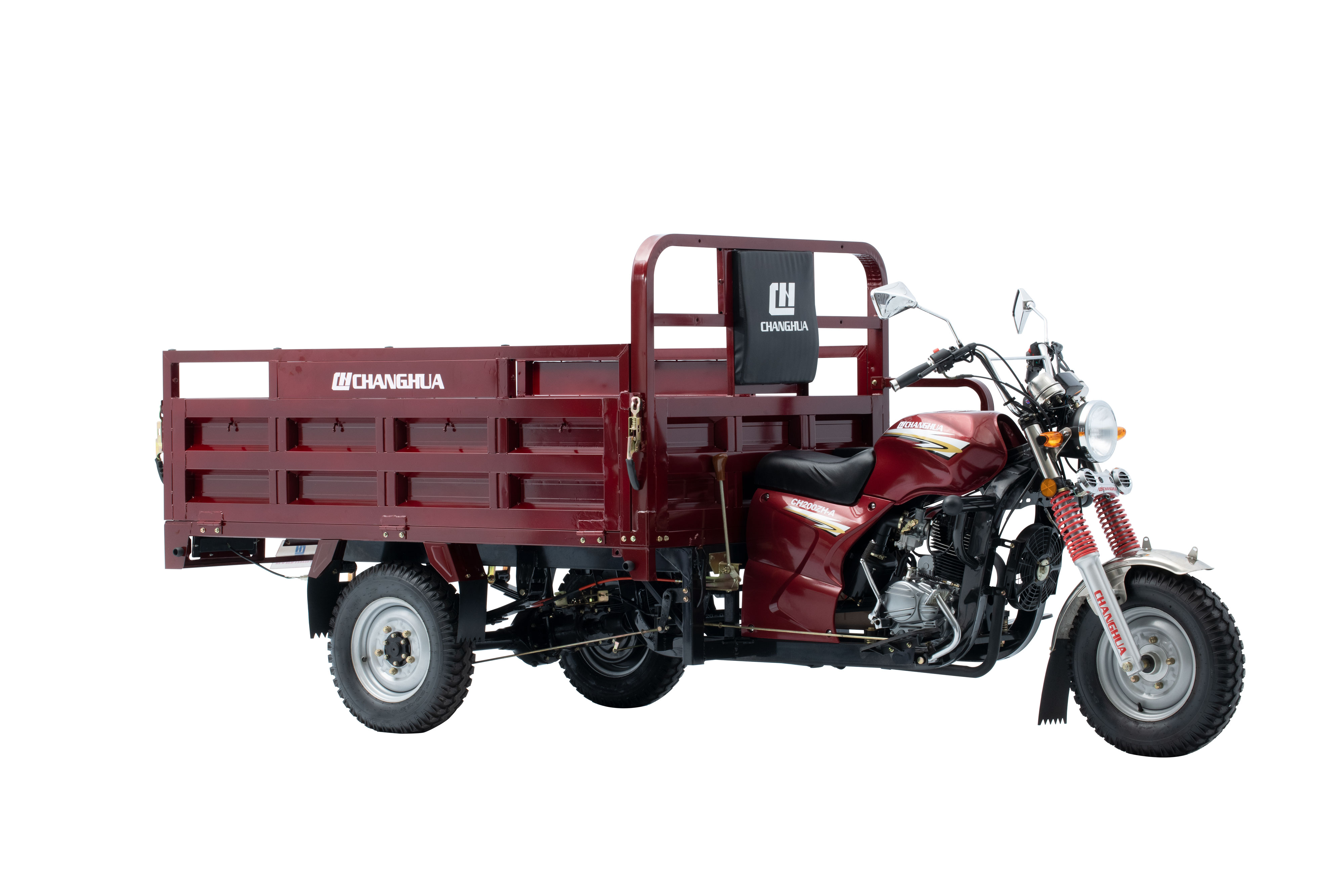
What are the main benefits of riding three-wheeled vehicles?
The most obvious advantage of a three-wheeled vehicle is its inherent stability. Traditional bicycles and motorcycles require the rider to maintain balance, especially when stopping at traffic lights or navigating slow-moving traffic. A high-quality adult tricycle eliminates this balancing act completely. The three-point stance keeps the vehicle upright on its own, which drastically reduces rider fatigue during long commutes.
Furthermore, three-wheeled vehicles offer superior cargo capacity. Most models come equipped with large rear baskets or secure storage compartments. This makes them ideal for grocery shopping, delivering goods, or carrying heavy work equipment. Commuters can load their bags without worrying about the vehicle tipping over, making daily errands much more manageable.
How do different commuter vehicles compare for city travel?
When selecting a vehicle, buyers must match the machine to their specific environment. Decision criteria often come down to storage space, parking availability, and payload requirements. Choose a three-wheeler if you regularly carry heavy groceries and have dedicated parking space at your destination.
Alternatively, choose a moped scooter motorcycle if you prioritize navigating narrow alleys and need compact parking solutions. Two-wheeled scooters excel in dense traffic because they can filter through stopped cars. However, they lack the massive cargo space that a three-wheeler provides. Understanding these trade-offs helps buyers make informed decisions based on their actual daily routines.


Commuter vehicle feature comparison
The table below outlines how different vehicle styles handle common commuting requirements.
Vehicle Style | Stability Level | Cargo Capacity | Ideal Use Case |
Three-Wheeler | Very High | Large | Grocery runs, equipment transport |
Two-Wheeler | Medium | Small to Medium | Quick urban commutes, narrow streets |
Off-Road Bike | Medium | Small | Unpaved paths, recreational riding |
Which vehicle handles rough roads and unpaved terrain?
Not all commutes happen on perfectly paved city streets. Riders living in rural areas or towns with poorly maintained roads face different challenges. Standard street tires easily lose traction on loose gravel, mud, or deep potholes. For these environments, a specialized vehicle is highly recommended.
If your daily route involves unpaved trails or steep, rocky inclines, a dual sport motorcycle handles rough terrain much better than street-focused models. These machines feature reinforced suspension systems, higher ground clearance, and knobby tires designed to grip loose surfaces. By matching the vehicle's engineering to the local geography, riders ensure a safer and more comfortable journey.
What specifications matter most when buying a three-wheeler?
Buyers must evaluate several technical specifications before making a purchase. First, check the frame material. High-carbon steel frames offer incredible durability, which is essential if you plan to carry maximum payloads frequently. According to manufacturing standards at Jiangmen Changhua Group Co., Ltd., strong welds and rust-resistant coatings significantly extend the lifespan of the vehicle.
Second, consider the braking system. A heavy vehicle carrying cargo requires reliable stopping power. Look for models equipped with hydraulic disc brakes on both the front and rear wheels. Disc brakes dissipate heat effectively and provide consistent stopping performance, even in wet weather conditions.
Start your journey toward more efficient urban mobility
Upgrading your commute requires careful planning, but the long-term benefits are substantial. By choosing a stable, high-capacity vehicle, you can reduce transportation costs while making daily errands much easier. Evaluate your daily travel distances, assess your typical cargo needs, and test ride a few different models to find the perfect fit. Your daily commute should be something you look forward to, rather than a stressful chore.
Frequently asked questions about three-wheeled transport
Are three-wheeled vehicles safe for beginners?
Yes. Three-wheeled vehicles are exceptionally safe for beginners because they do not require the rider to balance. The vehicle stands upright on its own, allowing new riders to focus entirely on steering, braking, and observing traffic safely.
How much maintenance does a three-wheeled vehicle require?
Maintenance requirements depend on the powertrain. Electric models generally require less maintenance since they lack traditional engines and oil changes. However, owners must regularly check tire pressure, brake pad wear, and battery health to ensure optimal performance.
Can these vehicles handle steep hills?
Most modern three-wheelers can handle moderate hills with ease. If you live in a very hilly area, choose a model with a higher wattage motor (for electric versions) or a larger displacement engine (for gas-powered versions) to ensure you have enough climbing power.


