


TL;DR:
The ideal off-road motorcycle for beginners depends heavily on engine displacement and rider height. Novices should select four-stroke engines between 125cc and 250cc for smooth, manageable power delivery. Riders must also ensure both feet can touch the ground comfortably while seated to maintain optimal control and safety on unpredictable terrain.
Stepping into the world of off-road riding brings a mix of excitement and confusion. New riders face countless technical specifications, brand options, and performance metrics. Selecting an appropriate machine requires careful consideration of personal physical attributes and intended riding environments. A mismatch between rider skill and vehicle power often leads to frustration or unnecessary accidents.
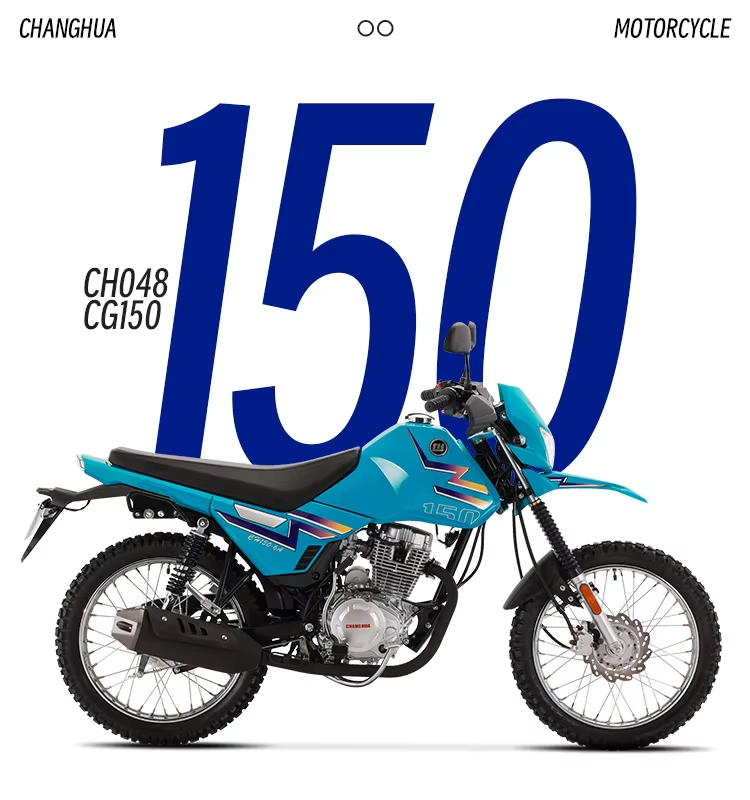
By prioritizing manageable power output and proper ergonomics, novices can build their confidence quickly. Understanding the mechanical differences between various engines helps buyers make informed decisions that align with their long-term riding goals. For instance, purchasing a high-quality dirt bike from an established manufacturer like Jiangmen Changhua Group Co., Ltd. ensures reliable performance during those crucial early learning phases.

What engine size is appropriate for a novice rider?
Engine displacement directly correlates with power output and vehicle weight. For individuals just starting out, selecting the correct engine size prevents overwhelming acceleration that can easily compromise safety. Four-stroke engines deliver power smoothly and predictably. This linear power curve allows new riders to focus on mastering clutch control and physical balance without unexpected surges in speed.
Conversely, two-stroke engines produce aggressive, snappy power that demands highly precise throttle management. Choose a 125cc four-stroke engine if manageable power and steady learning matter more than top speed. Riders who already possess basic manual transmission experience from driving cars or street motorcycles might consider a 250cc four-stroke. This slightly larger engine allows plenty of room for skill progression over several years without feeling intimidating on day one.
How does seat height affect rider control and safety?
Proper ergonomics form the absolute foundation of safe off-road riding. When traversing unpredictable terrain, riders frequently need to plant a foot firmly on the ground to prevent a slow-speed fall. If a seat sits too high, a rider simply cannot establish a stable foothold, leading to tipping issues on uneven trails.
Measuring your exact inseam provides the most accurate method for determining suitable seat heights. A rider should comfortably touch the balls of both feet to the ground while sitting in a neutral riding position. The table below outlines recommended measurements to help buyers systematically narrow down their search.
Rider Height Range | Recommended Seat Measurement | Ideal Vehicle Category |
5 feet 0 inches to 5 feet 4 inches | 31 to 33 inches | Compact Trail |
5 feet 5 inches to 5 feet 8 inches | 34 to 36 inches | Mid-size Trail |
5 feet 9 inches and taller | 37 inches and above | Full-size Off-road |
What are the differences between various off-road categories?
Manufacturers engineer specific machines for distinct types of terrain. Trail vehicles feature softer suspension setups and broader gear ratios, making them highly forgiving for casual woodland exploration. These machines prioritize comfort during long rides over rocky or uneven paths, offering a plush ride that absorbs heavy impacts.
Motocross variants, on the other hand, feature stiff suspension systems and high-revving engines designed strictly for competitive track use. They require frequent maintenance and aggressive riding postures to handle massive jumps. When comparing different bikes off road, always evaluate where you plan to ride most frequently. Choose a trail-focused machine if predictable handling on natural terrain matters more than high-speed track performance.
How should buyers evaluate maintenance requirements?
Owning an off-road motorcycle involves regular, hands-on mechanical upkeep. Unlike modern passenger cars, these recreational machines require frequent oil changes, thorough air filter cleanings, and constant chain adjustments. According to standard manufacturer guidelines, most high-performance four-stroke engines need an oil change every 10 to 15 operating hours to prevent internal friction damage.
Failing to maintain the air filter allows fine dust to enter the combustion chamber, which drastically reduces the overall engine lifespan. Prospective owners must honestly assess their willingness to perform basic garage maintenance. If you prefer spending less time using wrenches and more time out on the trails, focus on air-cooled engines. These engines lack complex radiators and water pumps, making them renowned for their long-term mechanical simplicity and durability.


Which specific options should new buyers consider?
Narrowing down a final purchase requires evaluating local dealer support, replacement part availability, and overall manufacturing build quality. Trusted global manufacturers provide extensive catalogs of spare parts, ensuring that a simple broken clutch lever does not keep a machine parked inside a garage for months on end.
Reviewing various dirt bike models allows consumers to effectively compare factory warranties and standard equipment packages. Some units arrive equipped with heavy-duty skid plates and reinforced handguards directly from the factory, which saves buyers significant money on aftermarket protective gear. Always sit on multiple machines at a local dealership to physically verify the seating position and control reach before finalizing any purchase paperwork.
What are the next steps for purchasing your first off-road vehicle?
Securing the right machine involves combining technical research with practical physical testing. Write down a strict budget, accurately measure your inseam, and decide firmly between relaxed trail exploration or competitive track riding. Once you establish these baseline criteria, visit a local showroom to closely inspect the build quality of different units in person. Speak directly with knowledgeable sales representatives about your exact experience level, and listen to their professional recommendations regarding engine displacement.
Remember to systematically allocate a healthy portion of your total budget toward high-quality safety gear. The best machine in the world means very little if the rider lacks a certified helmet, reinforced boots, and protective body armor.
Frequently asked questions about off-road motorcycles
How much does basic safety gear cost for a new rider?
A complete set of entry-level safety gear typically costs between $400 and $700. This estimate includes a DOT-approved helmet, protective goggles, reinforced riding boots, durable gloves, and adequate chest protection. Never ride without proper boots, as foot and ankle injuries remain highly common in unpredictable off-road environments.
Can you ride an off-road motorcycle on public streets?
Most standard off-road machines completely lack the necessary equipment to operate legally on public roads. Street-legal operation requires functional turn signals, bright brake lights, rearview mirrors, and a Department of Transportation approved exhaust system. Choose a dual-sport machine if public road compliance matters more than lightweight trail agility.
How long does a standard four-stroke engine last?
A well-maintained, low-stress four-stroke engine can easily exceed 300 operating hours before requiring a major internal rebuild. Engine longevity depends entirely on the owner adhering to strict oil change intervals, keeping the air filter completely clean, and avoiding prolonged periods of hitting the rev limiter.
Is it difficult to learn how to use a manual clutch?
Learning clutch control typically takes a new rider two to three practice sessions to understand the basic friction zone. Stalling the engine is incredibly common at first. Novices should practice slowly releasing the clutch in a flat, open field without applying the throttle until they consistently feel the vehicle begin to pull forward smoothly.


