


TL;DR:
An electric motorcycle uses a battery pack, electric motor, and controller to convert stored energy into motion—no combustion required. Modern models deliver instant torque, low maintenance costs, and zero tailpipe emissions. Adults and performance riders alike now have access to a wide range of capable, road-legal options from established manufacturers like Jiangmen Changhua Group.
Electric motorcycles are no longer a niche curiosity. Global electric two-wheeler sales surpassed 49 million units in 2023, according to the International Energy Agency, and that number continues to rise. The shift is driven by a combination of falling battery costs, tightening emissions regulations, and a growing appetite for cleaner, more efficient personal transport.
But before you choose a model or place an order, it helps to understand what's actually happening under the bodywork. The technology is simpler than it looks—and more impressive than many riders expect.

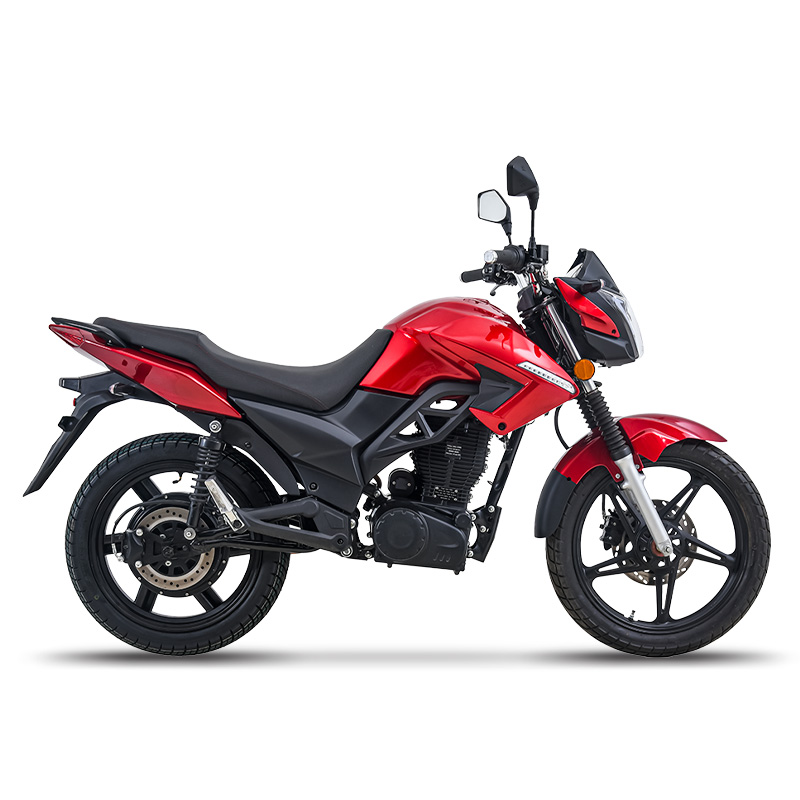
What Core Components Power an Electric Motorcycle?
At its heart, an electric motorcycle runs on three interdependent systems: the battery pack, the electric motor, and the motor controller.
The battery pack stores electrical energy, typically using lithium-ion cells. Capacity is measured in kilowatt-hours (kWh). A higher kWh rating generally means longer range per charge. Most urban-focused models carry between 2 kWh and 10 kWh, while performance-oriented builds push beyond 15 kWh.
The electric motor converts that stored energy into rotational force. Unlike internal combustion engines, electric motors deliver torque instantly—from the very first revolution. This is why even mid-range electric models feel surprisingly responsive off the line. Most use either hub-mounted motors (built into the wheel) or mid-drive motors (positioned near the frame's center of gravity).
The motor controller acts as the brain of the operation. It reads throttle input, battery status, and motor speed, then regulates how much current flows to the motor at any given moment. Advanced controllers also manage regenerative braking, which recovers kinetic energy during deceleration and feeds it back into the battery.
Understanding how does electric motorcycle work as a complete system—rather than as isolated parts—makes it easier to evaluate models and compare specifications meaningfully.
How Does Charging and Range Work in Practice?
Range anxiety is the most common concern among first-time buyers. In practice, real-world range depends on battery capacity, rider weight, terrain, and average speed. Most city-oriented electric motorcycles cover between 60 and 120 miles per charge. Higher-voltage platforms stretch that further.
Charging time varies by the power source:
Charging Method | Typical Power Output | Estimated Charge Time (10 kWh Battery) |
|---|---|---|
Standard household outlet (120V) | 1.4 kW | 7–10 hours |
Level 2 home charger (240V) | 3.3–7.7 kW | 1.5–3 hours |
DC fast charger | 20–50 kW | 20–45 minutes |
Swappable battery system | N/A | Under 5 minutes |
Swappable battery systems—common in commercial fleet applications—eliminate charging wait times entirely. Riders swap a depleted pack for a fully charged one at a station, then continue immediately.
What Makes Electric Motorcycles Well-Suited for Adult Riders?
The design priorities for electric motorcycle for adults differ meaningfully from youth or entry-level models. Adult riders typically demand greater range, stronger braking systems, higher payload capacity, and more refined ergonomics.
Electric powertrains address several of these needs directly. The absence of a clutch simplifies urban riding considerably. No gear changes means smoother stop-and-go traffic management. Lower vibration levels reduce rider fatigue on longer trips. And because there's no engine oil to change or exhaust system to maintain, long-term ownership costs tend to be lower than comparable combustion alternatives.
From a power delivery standpoint, adult-oriented electric models often feature selectable riding modes—Eco, City, and Sport settings that balance range against performance based on conditions.


How Do Manufacturers Achieve High Speed in Electric Models?
Speed in an electric motorcycle is primarily a function of motor wattage, battery voltage, and the controller's current limits. Higher voltage allows more power to flow through the system, which translates directly to higher top-end speed. Most performance-focused builds run on 72V or 96V platforms, with some exceeding 120V.
A fast electric motorcycle achieves its performance not through engine displacement, but through precise engineering of the entire electrical system. Motor efficiency ratings, thermal management, and the quality of battery cells all contribute to sustained high-speed performance.
Peak torque delivery is another defining advantage. Where a combustion engine must rev into its power band, an electric motor produces maximum torque at zero RPM. On a track or a highway on-ramp, this characteristic makes high-performance electric motorcycles feel dramatically quicker than raw horsepower figures might suggest.


Why Changhua Group Builds Electric Motorcycles Worth Considering
Jiangmen Changhua Group Co., Ltd. has manufactured motorcycles since 2000, operating from a 45,000-square-meter facility in Jiangmen, Guangdong Province—one of China's most established motorcycle manufacturing regions. The company holds ISO9001 Quality Management System certification, CCC (China Compulsory Certification), EEC certification, and GCC certification, giving export buyers documented assurance of build quality across international markets.
With over 60 senior technical engineers, more than 30 registered patents, and annual production exceeding 100,000 units, Changhua Group brings both scale and engineering depth to its electric lineup. The company's electric scooter motorcycles and electric tricycles are designed for real-world durability, with export-ready specifications for markets across Europe, the Middle East, Africa, South America, and Southeast Asia.
For distributors, importers, or fleet buyers evaluating electric two-wheelers, Changhua Group offers OEM and ODM cooperation with lead times competitive with other Chinese-based manufacturers. Inquiries receive a response within 24 hours.
The Road Ahead for Electric Motorcycle Technology
Battery energy density continues to improve year over year, which means future models will carry more range in lighter, more compact packs. Solid-state batteries—currently in advanced development at several major suppliers—promise further improvements in both energy density and charge speed. Motor efficiency is also advancing, with some brushless DC motors now exceeding 95% energy conversion efficiency.
For riders and buyers evaluating the market now, the fundamentals are already strong. The technology is mature, the charging infrastructure is expanding, and manufacturers with genuine engineering pedigree are producing models that compete credibly with combustion alternatives on every practical metric.
Frequently Asked Questions
How does an electric motorcycle differ from a gas-powered motorcycle mechanically?
A gas-powered motorcycle uses an internal combustion engine that burns fuel to generate mechanical energy. An electric motorcycle replaces this entirely with a battery pack, electric motor, and controller. Electric models have fewer moving parts, produce no direct emissions, and deliver torque instantly without needing a clutch or gear changes.
What is the typical lifespan of an electric motorcycle battery?
Most lithium-ion battery packs used in electric motorcycles retain at least 80% of their original capacity after 500 to 1,000 full charge cycles. Under normal use, this translates to roughly 3 to 7 years before noticeable range degradation occurs. Battery longevity improves significantly when riders avoid deep discharges and extreme temperature exposure.
Are electric motorcycles suitable for highway riding?
Performance-class electric motorcycles are fully capable of sustained highway speeds. Models with 72V or higher electrical systems typically reach top speeds between 75 and 120 mph, making them practical for highway use. Urban commuter models generally top out at lower speeds and are optimized for city riding rather than extended highway travel.
What certifications should I look for when buying an electric motorcycle from a manufacturer?
Key certifications include ISO9001 (quality management), CCC (for China-market compliance), EEC (for European road use), and GCC (for Gulf Cooperation Council markets). Buyers sourcing from manufacturers like Changhua Group should request documentation for each certification relevant to their target market before placing orders.
How much does it cost to charge an electric motorcycle compared to fueling a gas model?
Charging costs vary by electricity rates and battery size, but a full charge for a 10 kWh battery typically costs between $1.00 and $2.00 in the United States at average residential electricity rates. Equivalent fuel costs for a gas motorcycle covering similar mileage generally run $4.00 to $8.00, depending on fuel prices and engine efficiency.


