


Quick answer:
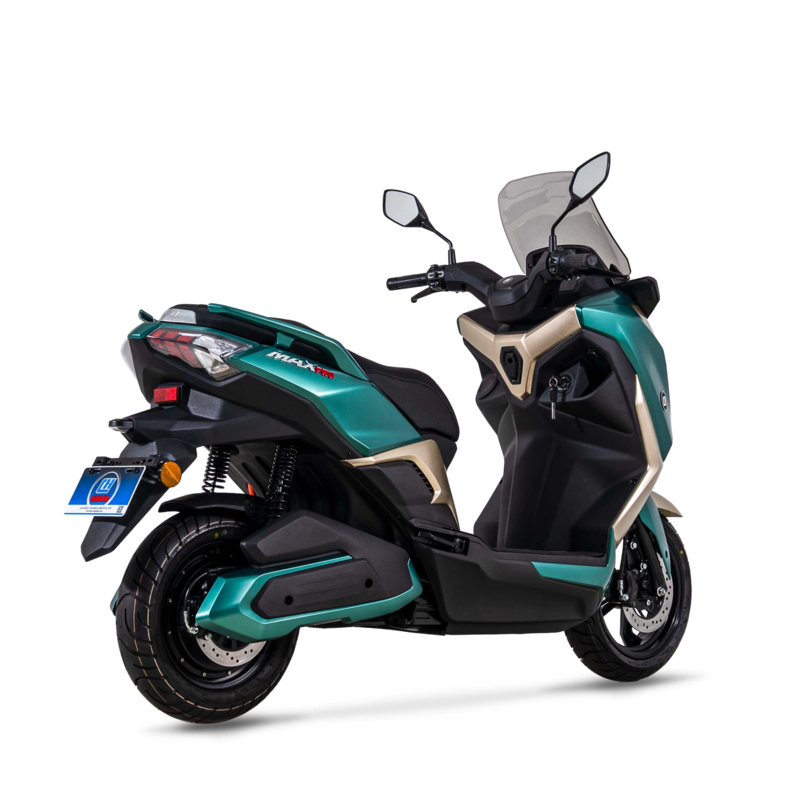
Chinese motorcycle manufacturers now supply over 50% of global two-wheeler exports, combining cost-competitive pricing with increasingly advanced engineering. Companies based in manufacturing hubs like Jiangmen, Guangdong produce everything from sport bikes to electric scooters, making China the world's most complete source for wholesale and OEM motorcycle procurement.
The numbers tell a straightforward story. China produces more motorcycles than any other country on earth, and that output isn't just volume—it's variety, technology, and reliability. Importers, distributors, and fleet buyers across Africa, Southeast Asia, South America, and Europe have steadily shifted their sourcing toward Chinese manufacturers, drawn by competitive factory pricing, flexible OEM and ODM options, and an expanding certification landscape that now includes ISO 9001, CCC, GCC, and E-MARK standards.
For anyone evaluating overseas procurement for the first time, understanding what modern Chinese production actually looks like—beyond the price tag—makes the sourcing decision far more straightforward.

Why Has Global Demand for Chinese Motorcycles Kept Growing?
Several forces have driven this shift. Rising fuel costs pushed consumers in developing markets toward affordable, fuel-efficient two-wheelers. Simultaneously, improving road infrastructure across Sub-Saharan Africa and Southeast Asia created demand for reliable commuter bikes that could handle mixed terrain. Chinese factories responded with diversified product lines spanning 50cc to 400cc displacements, electric drivetrains, and heavy-duty tricycles for commercial cargo use.
The export trajectory reflects this momentum. According to China's Ministry of Commerce, motorcycle exports have expanded steadily across over 100 countries, with Africa and Latin America representing the largest volume markets. Established manufacturers have responded by obtaining international certifications—a critical step that transformed perception from "budget alternative" to "credible global supplier."
Working with a verified chinese motorcycle manufacturer also means access to full-service OEM and ODM programs, allowing importers to build private-label brands without investing in their own production infrastructure.
What Sets Chinese Manufacturers Apart from Their Competitors?
The competitive advantage comes down to four factors: factory scale, vertical integration, certification depth, and development speed.
Large Chinese manufacturers operate multiple production lines under a single roof, covering engine assembly, frame fabrication, and final finishing. This vertical integration compresses lead times and reduces per-unit costs significantly compared to factories that outsource sub-components.
The table below outlines the typical product categories, displacement ranges, and common applications buyers can source directly from Chinese factories:
Product Category | Displacement Range | Primary Markets | Common Use Case |
Two-Wheeled Commuter | 50cc – 150cc | Southeast Asia, Africa | Daily urban commuting |
Sport Motorcycle | 150cc – 400cc | Europe, Middle East | Performance riding |
Off-Road Motorcycle | 125cc – 250cc | Latin America, Africa | Rural terrain |
Scooter Motorcycle | 50cc – 150cc | Global | City transport |
Electric Scooter | N/A (battery) | Europe, China, Asia | Eco-friendly commuting |
Tricycle | 150cc – 300cc | Africa, South America | Cargo and passenger |
Development speed is another differentiator. Chinese manufacturers typically move from product concept to production sample in 60–90 days, compared to 12–18 months at traditional European or Japanese facilities. For importers looking to respond quickly to regional market trends, that responsiveness is a genuine business advantage.
How Should Buyers Evaluate Chinese Motorcycle Suppliers?
Sourcing from overseas requires more than comparing unit prices. Buyers should apply a structured evaluation framework before signing any supply agreement.
Certifications first. Confirm the manufacturer holds the certifications required for your target market. E-MARK is mandatory for European imports; GCC covers Gulf Cooperation Council countries; CCC applies to China's domestic market. Suppliers who hold multiple international certifications have already demonstrated a baseline of engineering discipline.
Factory audits matter. Request production capacity data, employee headcount, and facility area. A reputable factory will provide this information readily. Jiangmen Changhua Group, for example, operates a 45,000 m² production facility with nearly 400 employees and over 60 senior technical engineers—specifics that any credible supplier should be able to match with documentation.
Sample orders before volume commitments. Evaluate build quality, fitment tolerances, and documentation completeness before committing to large purchase orders. Reputable chinese motorcycle suppliers will accommodate sample requests and provide clear technical specifications alongside each unit.
After-sales support structure. Distributors who import at scale need confidence that spare parts, service documentation, and technical support are accessible. Evaluate the supplier's customer service infrastructure, not just their product catalog.

What Product Categories Do Sport Motorcycle Wholesalers Typically Offer?
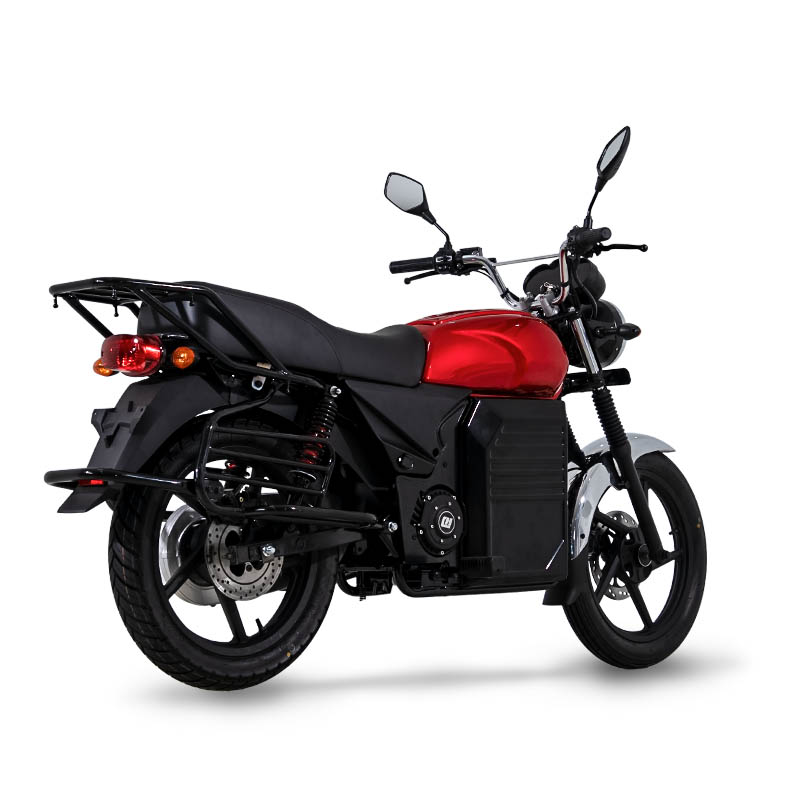
Sport motorcycles represent one of the fastest-growing export segments from Chinese factories. Demand has been particularly strong from Middle Eastern, Eastern European, and Southeast Asian markets, where younger rider demographics actively seek performance styling at accessible price points.
Modern sport models from Chinese manufacturers offer features that were previously exclusive to premium Japanese or European brands: inverted front forks, digital instrument clusters, LED lighting systems, and multi-disc clutch setups. Displacement options typically range from 150cc to 400cc, covering both entry-level and intermediate performance brackets.
For bulk procurement, working directly with a china sport motorcycle wholesaler provides pricing advantages unavailable through intermediary trading companies. Direct factory relationships also enable specification customization—frame color, decal packages, handlebar geometry—without the minimums that third-party distributors often require.
The Path Forward for Global Buyers
Chinese motorcycle manufacturing has reached a maturity level that demands serious attention from any global importer or distributor. The combination of certified quality, competitive pricing, rapid development cycles, and comprehensive product ranges—from electric scooters to full-sized sport bikes—positions Chinese factories as credible long-term supply partners rather than opportunistic budget options.
The buyers who move quickly to build direct factory relationships will hold a structural cost advantage over competitors still sourcing through intermediaries. The infrastructure is already there. The certifications are already in place. The question is whether procurement teams are paying close enough attention.
Frequently Asked Questions
What certifications should a Chinese motorcycle manufacturer hold for export?
For European markets, E-MARK certification is required. GCC certification covers Gulf Cooperation Council countries. ISO 9001 demonstrates quality management compliance. CCC (China Compulsory Certification) applies to the domestic Chinese market. Reputable manufacturers pursuing international business typically hold multiple certifications simultaneously.
What is the minimum order quantity when sourcing motorcycles from Chinese factories?
Minimum order quantities vary by manufacturer and product type. Most factories set MOQs between 10 and 50 units for standard catalog models. OEM and ODM orders with custom specifications typically carry higher minimums, often starting at 100 units, due to tooling and setup costs.
How long does it take to receive a shipment from a Chinese motorcycle factory?
Production lead times for in-stock models range from 15 to 30 days. Custom OEM orders typically require 45 to 90 days from order confirmation to shipment. Ocean freight from Chinese ports to major global destinations adds 15 to 45 days depending on destination port and shipping route.
Are Chinese sport motorcycles comparable in quality to Japanese or European models?
Quality varies by manufacturer, but leading Chinese factories have closed the gap considerably through ISO-certified processes, advanced CNC machinery, and international certification requirements. Buyers should audit factories directly and review third-party test reports rather than relying on brand origin as a quality proxy.
Can Chinese manufacturers support private-label or OEM branding?
Yes. Most large Chinese motorcycle manufacturers offer comprehensive OEM and ODM services, including custom frame colors, logo application, instrument cluster branding, and packaging customization. Some factories provide full product development support, from initial design to homologation documentation.


