


Quick answer:
Chinese electric motorbike factories now lead global production by combining cost-competitive pricing, large-scale assembly lines, and advanced battery engineering. Buyers should prioritize factories with ISO9001 certification, proven export experience, and OEM/ODM capabilities to secure reliable, road-ready electric two-wheelers at scale.
The two-wheeler industry is going through one of its biggest shifts in decades, and much of that change is being driven from manufacturing hubs in southern China. Cities like Jiangmen in Guangdong Province have become powerhouses for electric mobility, turning out hundreds of thousands of vehicles each year for buyers across Europe, the Middle East, Africa, South America, and Southeast Asia.
For importers, distributors, and brand owners, this matters. Sourcing from a well-equipped china eletric motorbike factory can mean lower unit costs, faster production timelines, and access to customization that smaller workshops simply can't offer. But knowing how to evaluate these factories is the difference between a smooth supply chain and a costly mistake.
This guide breaks down why Chinese factories dominate the market, what to look for when sourcing, and how to compare your options. You'll walk away with practical criteria to help you make a confident purchasing decision.


Why has China become the center of electric two-wheeler production?
China supplies a large share of the world's two-wheelers, and its lead in electric models keeps growing. Several factors drive this dominance.
First, there's scale. Factories in Guangdong often operate multiple production lines across tens of thousands of square meters. Jiangmen Changhua Group, for example, runs facilities covering 45,000 square meters with a construction area of 50,000 square meters and nearly 400 employees. That kind of footprint allows annual output of 100,000 units or more.
Second, there's engineering depth. Many factories employ dozens of senior technical engineers and hold patents on their designs. This pushes quality well beyond the cheap-and-cheerful reputation that once defined the sector.
Third, there's the supply chain. Battery cells, motors, controllers, and frames are all produced locally, which cuts lead times and keeps costs predictable. According to industry data, Chinese manufacturers now supply over half of the world's two-wheelers.
What should buyers check before choosing a supplier?
Not every factory is equal. The right partner depends on your market, your volume, and your quality expectations. Working with an experienced chinese motorcycle manufacturer gives you a head start, but you should still verify a few essentials.
Certifications: Look for ISO9001 quality management, CCC, EEC, GCC, and E-MARK certifications. These prove the factory meets international safety and quality standards.
Production capacity: A factory with multiple assembly lines and large warehouses can handle bulk orders and seasonal spikes without delays.
OEM and ODM services: If you want your own branding or custom designs, confirm the factory offers both original equipment and original design manufacturing.
Export track record: Suppliers already shipping to your region understand the paperwork, voltage standards, and compliance rules you'll face.
After-sales support: Spare parts availability and clear warranty terms protect you long after delivery.
A factory that ticks all five boxes is far more likely to deliver consistent results.
How do different sourcing options compare?
Choosing between a large factory, a trading company, or a small workshop affects price, quality, and flexibility. The table below lays out the trade-offs.
Sourcing option | Pricing | Customization | Quality control | Best for |
Large established factory | Competitive at volume | High (OEM/ODM) | Strong, certified | Importers needing scale and consistency |
Trading company | Higher markup | Limited | Variable | Buyers wanting one-stop sourcing |
Small workshop | Low upfront | Low | Inconsistent | Tiny test orders only |
Direct factory partnership | Best long-term value | Full control | Auditable on-site | Brands building a stable supply chain |
For most serious buyers, partnering directly with a large, certified factory offers the strongest balance of price, quality, and control. Choose a trading company only if you value convenience over margin, and treat small workshops as suitable for sample runs at best.

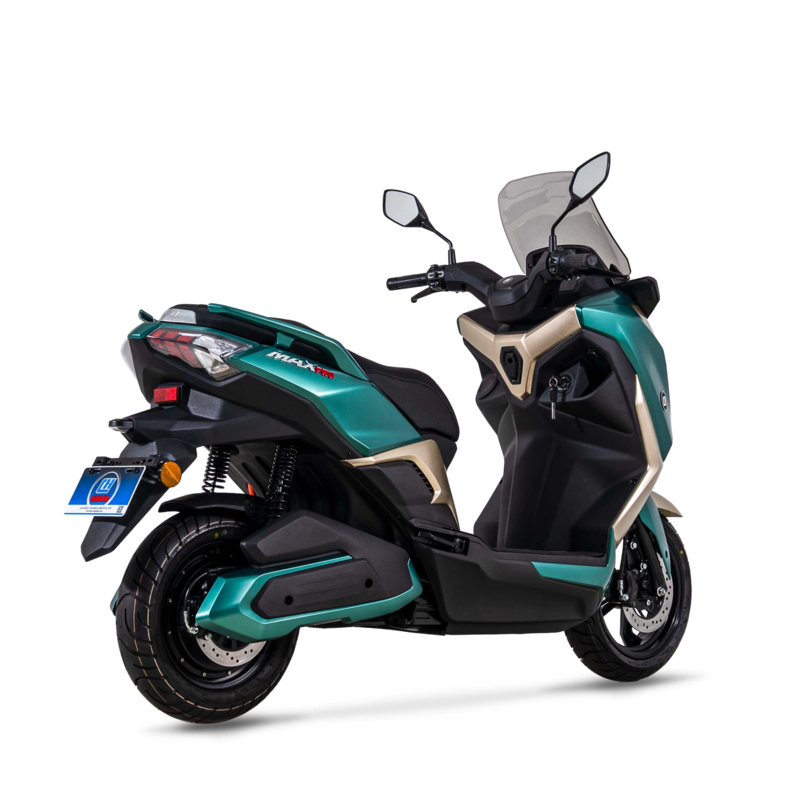
What makes electric models worth the investment?
Electric two-wheelers carry clear advantages for growing markets. They cut fuel costs, reduce emissions, and require less mechanical maintenance than combustion engines. For urban commuters, that translates to lower running costs and quieter rides.
Battery technology has also matured. Modern electric scooters offer realistic range, faster charging, and more reliable performance than earlier generations. As cities tighten emissions rules, demand for clean two-wheelers keeps climbing.
That demand is exactly why connecting with reliable chinese motorcycle suppliers early gives forward-thinking distributors a competitive edge. Securing capacity now positions you ahead of competitors scrambling later.
How to start sourcing with confidence
The Chinese electric two-wheeler industry has grown from a low-cost option into a genuine quality leader, backed by scale, certifications, and engineering talent. For buyers, the opportunity is real, but success depends on choosing the right partner.
Start by shortlisting factories with verified certifications and proven export records. Request samples, ask for compliance documents, and confirm OEM/ODM flexibility before committing to a large order. A short due-diligence process upfront saves you from expensive headaches later.
Ready to take the next step? Reach out to a certified manufacturer, request a quote, and compare offerings side by side. The earlier you act, the stronger your position in a fast-moving market.
Frequently asked questions
How much does it cost to import electric motorbikes from China?
Costs vary by model, order volume, and battery specifications. Larger orders from direct factories usually secure the lowest per-unit pricing. Always factor in shipping, import duties, and compliance certification for your destination market.
How long does production and delivery take?
Established factories with multiple production lines typically complete bulk orders within a few weeks, followed by shipping time that depends on your region. Confirm lead times in writing before placing an order.
What certifications should an electric two-wheeler have?
Look for ISO9001, CCC, EEC, GCC, and E-MARK certifications. The exact requirements depend on where you plan to sell, so verify your local regulations before importing.
Can I get my own branding on the vehicles?
Yes. Factories offering OEM and ODM services can apply your branding and even adapt designs to your specifications. Confirm minimum order quantities for custom work upfront.
Are electric models better than gas-powered ones for resale?
It depends on your market. Electric models suit cities with emissions rules and short commutes, while gas models still appeal where charging infrastructure is limited. Many distributors stock both to cover demand.


