


Quick answer:
Modern electric motorcycles can reach top speeds between 28 mph for entry-level commuter models and over 120 mph for high-performance sport versions. Speed depends on motor wattage, battery voltage, and the vehicle's weight class, with most everyday city models cruising comfortably at 45–60 mph.
Electric two-wheelers have come a long way from the slow, limited scooters of a decade ago. Today's models combine instant torque, refined engineering, and impressive range to compete directly with gas-powered bikes. If you're weighing whether to switch, the biggest questions usually come down to performance and how the technology actually holds up.
This guide breaks down what determines speed, how the power systems are built, and what you can realistically expect from different vehicle classes. By the end, you'll have a clear picture of which type suits your riding needs and budget.


What determines the performance of an electric two-wheeler?
Three core factors shape how an electric bike performs: motor power, battery capacity, and overall weight. A higher-wattage motor pulls more current and produces more torque, which translates into quicker acceleration and a higher ceiling for electric motorbike top speed. Battery voltage works alongside the motor—higher voltage systems generally support faster, more sustained output.
Weight plays an equally important role. A lighter frame requires less energy to move, so two bikes with identical motors can perform very differently if one carries a heavier battery pack or chassis. Aerodynamics, tire choice, and rider weight also affect real-world results.
Unlike combustion engines, electric motors deliver maximum torque the instant you twist the throttle. This is why even a modest electric model often feels punchy off the line, even if its overall top speed sits lower than a comparable gas bike.
How does the energy system inside these vehicles function?
Understanding how electric motorcycle batteries work helps explain both performance and range. At the heart of the system sits a battery pack, usually made up of many lithium-ion cells grouped together. These cells store chemical energy and release it as electrical current when you ride.
A battery management system (BMS) monitors the pack constantly. It balances the charge across cells, prevents overheating, and protects against overcharging or deep discharging. This keeps the battery safe and extends its usable lifespan, which typically runs three to five years before noticeable capacity loss.
When you accelerate, the controller draws power from the pack and feeds it to the motor in precise amounts based on throttle input. Many electric bikes also use regenerative braking, which converts some of the energy from slowing down back into stored charge. The result is a closed, efficient loop that wastes far less energy than burning fuel.
What speed ranges can you expect across different models?
Performance varies widely depending on the vehicle class. The table below outlines typical figures to help you compare options before buying.
Vehicle Class | Typical Top Speed | Common Motor Power | Best Use Case |
|---|---|---|---|
Entry-level commuter | 28–35 mph | 500–1,000 W | Short urban trips |
Mid-range city model | 45–60 mph | 2,000–4,000 W | Daily commuting |
Performance street model | 75–95 mph | 8,000–12,000 W | Highway and longer rides |
High-performance sport | 100–120+ mph | 15,000 W and up | Enthusiasts and track use |
These ranges reflect general industry norms rather than fixed limits. Local regulations often cap certain classes, so a model sold as a low-speed commuter in one region may be configured differently elsewhere. Always check the rated specifications and legal class before purchasing.

How quickly can a typical electric model accelerate?
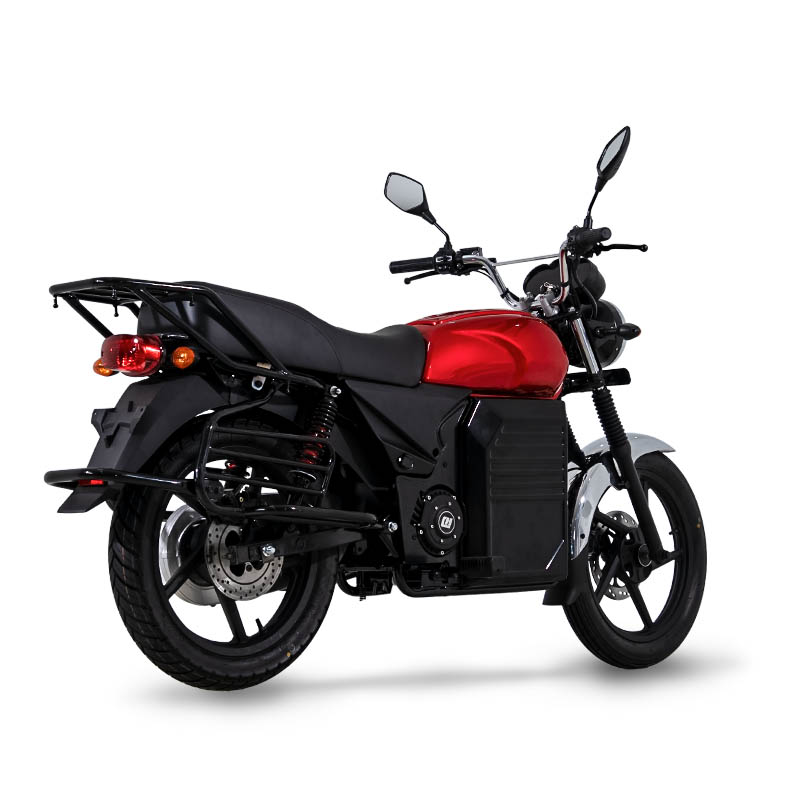
Acceleration often matters more than peak speed for city riders. Because electric motors produce instant torque, many mid-range bikes reach 30 mph faster than gas equivalents in the same price bracket. This makes merging into traffic and pulling away from lights feel effortless.
The question of how fast does an electric motorcycle go from a standstill depends heavily on motor controller tuning. Some models offer multiple ride modes, letting you switch between an economy setting for range and a sport setting for sharper response. For most commuters, a bike that hits 45 mph quickly and holds it steadily covers nearly every practical need.
Which type of electric motorcycle should you choose?
The right model depends on where and how you ride. Choose an entry-level commuter if your trips stay under city speed limits and budget matters most—these cost less and charge faster. Pick a mid-range city model if you want a balance of speed, range, and value for daily use, since this class handles both stop-and-go traffic and occasional faster stretches well.
Opt for a performance or sport model only if you regularly ride highways or crave maximum acceleration. These deliver thrilling speed but cost significantly more and demand longer charging times for their larger battery packs. For buyers sourcing fleets or retail stock, working directly with an established manufacturer ensures consistent quality and proper certification.
Making the switch to electric power
Electric motorcycles now offer genuine performance that suits everything from short commutes to spirited highway riding. The key is matching the vehicle class to your real needs—motor power, battery design, and weight all shape what you'll experience on the road. Reliable battery technology and instant torque make these bikes a smart, practical choice for a growing number of riders.
If you're ready to explore proven models built with quality components and full export certification, browse a trusted manufacturer's range to find a bike suited to your speed and range requirements. Comparing specifications side by side is the best way to land on the right fit.
Frequently asked questions
How long does an electric motorcycle battery last before replacement?
Most lithium-ion packs maintain strong performance for three to five years, or roughly 500 to 1,000 full charge cycles. A quality battery management system extends this lifespan by preventing overheating and overcharging. After this period, you may notice reduced range rather than total failure.
Are electric motorcycles fast enough for highway riding?
Yes, provided you choose the right class. Mid-range models reaching 60 mph handle most highways, while performance and sport models exceeding 75 mph offer comfortable, sustained highway cruising. Entry-level commuters, however, are best kept to city streets.
How long does it take to charge an electric motorcycle?
Charging time varies by battery size and charger type. Small commuter batteries can recharge in three to five hours on a standard outlet, while larger performance packs may take longer or require fast-charging equipment to reduce wait times significantly.
Do electric motorcycles require less maintenance than gas bikes?
Generally, yes. Electric models have far fewer moving parts, no oil changes, and no fuel system to service. Routine care focuses on tires, brakes, and battery health, which lowers long-term running costs compared to combustion engines.
Is the top speed of an electric motorcycle limited by law?
Often it is. Many regions classify electric two-wheelers by speed and power, with legal caps on entry-level categories. Manufacturers may limit certain models to meet local regulations, so always confirm the rated class and legal requirements in your area.
Meta data
Meta title
Electric Motorcycle Speed and Battery Technology Explained
Meta description
Discover how fast electric motorcycles can go, what shapes their speed, and how their batteries work. Compare model classes to find your ideal ride.


