


A three wheel motorcycle provides enhanced stability, higher cargo capacity, and a safer riding experience compared to standard two-wheelers. Choose a trike if you frequently carry heavy loads, or opt for compact battery-powered alternatives if your priority is navigating tight city streets efficiently.
Daily commuting often feels like a complicated puzzle of traffic jams, limited parking, and rising fuel costs. Selecting the right vehicle can drastically change how you experience your morning and evening routes. Many riders find themselves stuck deciding between heavy cars built for highways and lightweight options designed purely for short distances.
Urban mobility has evolved significantly over the past decade. Manufacturers now engineer vehicles that blend the agility of a bicycle with the power of a standard engine. Understanding your specific daily needs—such as cargo capacity, typical route distance, and parking availability—is the first step toward making a smart transportation choice.
This guide will break down the fundamental benefits of upgrading your daily ride. You will learn about stability enhancements, cost-saving fuel efficiency, and the practical differences between various commuter vehicles, helping you find the perfect match for your lifestyle.

What makes modern urban commuting vehicles reliable?
Modern engineering focuses heavily on rider safety and vehicle longevity. Traditional two-wheeled rides require significant balance and physical coordination, especially when navigating wet roads or carrying groceries. By adding a third point of contact with the road, stability increases exponentially. Riders no longer need to worry about tipping over at red lights or struggling to keep the vehicle upright on uneven pavement.
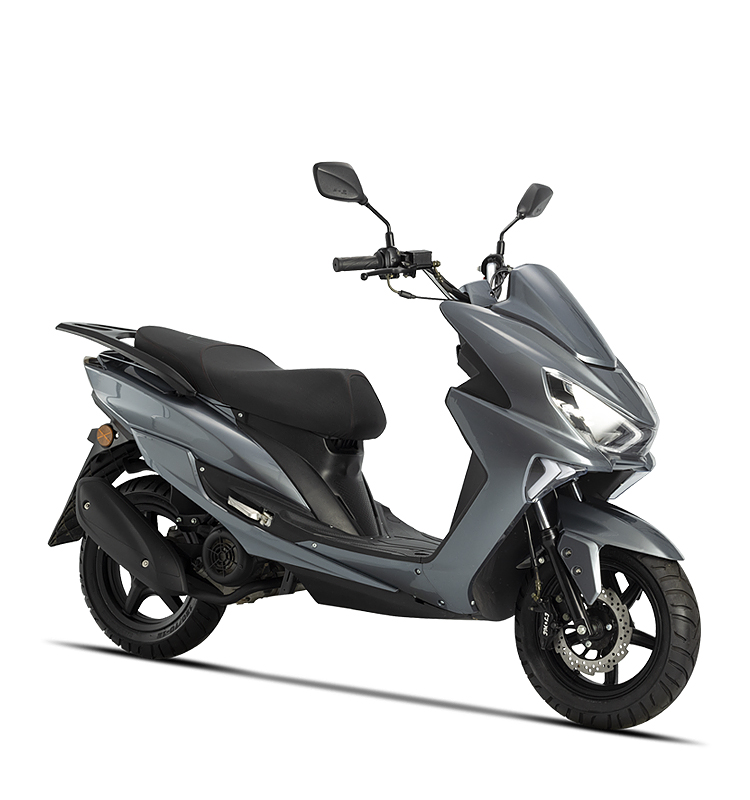
For those who prioritize simple, lightweight travel, finding a vehicle that requires minimal maintenance is essential. A great example of this is the classic moped scooter, which offers an incredibly user-friendly experience for riders of all skill levels. These vehicles typically feature automatic transmissions, meaning you simply twist the throttle and go. This ease of use makes them a popular choice for college students and busy professionals who need to travel a few miles across town without the hassle of shifting gears.
Furthermore, advances in suspension systems have made small vehicles much more comfortable. High-quality shock absorbers reduce the impact of potholes and speed bumps, ensuring a smooth ride even on poorly maintained city streets. When you combine these mechanical improvements with modern braking technology, urban transit becomes significantly safer for everyone on the road.
How to choose the best vehicle for your daily routes?
Selecting the right transportation requires a careful assessment of your environment. If your commute involves carrying significant cargo—like delivery packages, heavy tools, or weekly groceries—standard options might fall short. You need a vehicle that distributes weight evenly without compromising steering control.
This is precisely where a three wheel motorcycle outshines the competition. According to industry safety standards, the triangular wheelbase provides a sturdy platform that handles heavy payloads effortlessly. Choose this option if stability and storage matter more than squeezing through narrow traffic lanes. It bridges the gap between a standard passenger car and a lightweight motorbike, offering the best of both worlds for small business owners and busy families.
On the other hand, if your daily route consists entirely of congested downtown streets, a smaller footprint is highly advantageous. Riders who prioritize lane maneuverability and easy parking should look toward compact options. Assessing your specific combination of distance, cargo needs, and traffic conditions will quickly narrow down your choices.
What are the environmental benefits of compact transit?
As cities push toward greener initiatives, riders are increasingly looking for ways to reduce their carbon footprint. Traditional gasoline engines contribute to urban air pollution, prompting a massive shift toward battery-powered transportation. Electric motors produce zero tailpipe emissions, making them a crucial component of sustainable city planning.
For riders traveling short distances, an electric mini bike serves as an excellent, eco-friendly solution. These vehicles utilize advanced lithium-ion batteries that charge quickly from a standard wall outlet. They operate almost silently, reducing noise pollution in residential neighborhoods, while saving riders hundreds of dollars annually on fuel and oil changes.
Beyond personal cost savings, adopting electric transit helps communities meet climate goals. Fewer gas-powered engines on the road means cleaner air and less reliance on fossil fuels. When you choose an emission-free vehicle, you actively participate in creating a healthier urban environment for future generations.


Comparing top transportation options for city riders
To make an informed decision, it is helpful to look at how different vehicle categories stack up against one another. The table below outlines key features of popular urban transit options.
Vehicle Category | Stability Level | Cargo Capacity | Primary Power Source | Best Use Case |
Utility Trike | Very High | Excellent (up to 300 lbs) | Gas / Battery | Heavy hauling and delivery routes |
Standard Commuter | Medium | Low (under-seat storage) | Gas | Daily suburban commutes |
Compact EV Ride | Medium | Minimal (backpack only) | Battery | Short downtown trips and campus travel |
Adventure Bike | Medium | Moderate (with panniers) | Gas | Mixed terrain and weekend trails |
Use this comparison as a baseline when evaluating different models. Remember to factor in your local weather conditions and available storage space at home before making a final purchase.
Ready to upgrade your daily commute?
Transitioning to a more efficient mode of transportation can save you time, reduce your environmental impact, and make your daily commute genuinely enjoyable. Whether you prioritize the massive cargo space of a trike or the nimble efficiency of a compact battery-powered ride, there is a vehicle engineered specifically for your needs.
Take the time to test ride a few different models. Speak with local dealers about maintenance schedules and warranty options. By assessing your daily routine and matching it to the right vehicle technology, you can transform your stressful morning drive into the best part of your day.
Frequently Asked Questions (FAQ)
How much cargo can a utility transit vehicle carry?
Most heavy-duty trikes can safely transport between 200 and 300 pounds of cargo, depending on the specific model and engine size. Always check the manufacturer's maximum payload specifications before hauling heavy items to ensure optimal braking performance and stability.
Are compact battery-powered rides legal on main roads?
Legality depends entirely on your local and state regulations. Many jurisdictions require compact electric vehicles to have specific safety features, such as turn signals, mirrors, and a registered license plate, to operate legally on public roads alongside cars.
What is the maintenance cost for standard daily riders?
Standard gas-powered commuters generally cost between $100 and $300 annually for basic maintenance, including oil changes, brake pad replacements, and tire wear. Battery-powered options typically cost less to maintain since they lack internal combustion engine components.


