


The rumble of an engine and the sleek lines of a customized frame do not happen by accident. Every high-performance vehicle starts as a simple concept, evolving through rigorous engineering, precision assembly, and intensive testing. Understanding this journey gives riders a deeper appreciation for the machines they trust on busy city streets and rugged mountain trails alike.
Behind every reliable ride is a dedicated team of engineers and technicians working in tandem. From the initial sketches to the final polish on the assembly line, the manufacturing process combines heavy-duty industrial machinery with delicate, computerized precision. This careful balance ensures that every vehicle meets strict safety standards while delivering the thrilling experience riders expect.
Finding a manufacturer that balances scale with quality is essential for global distributors and everyday commuters. A top-tier motorcycle factory operates like a well-oiled machine, managing multiple production lines simultaneously. These facilities manage everything from frame welding to final quality assurance, ensuring that whether a bike is destined for a daily commute or an extreme sports competition, it performs flawlessly under pressure.


The Core of Modern Manufacturing
The journey from raw materials to a finished vehicle involves several complex stages. Each phase requires specialized knowledge and strict attention to detail, ensuring the final product is durable, efficient, and safe.
Precision Engineering and Design
Long before any metal is cut or welded, designers and engineers spend months perfecting a vehicle's blueprints. Using advanced Computer-Aided Design (CAD) software, teams create digital models of every component, from the engine block down to the smallest mounting bolt. This digital environment allows engineers to test aerodynamics, weight distribution, and structural integrity virtually.
Once the digital design is approved, the facility creates physical prototypes. These early models are put through stress tests to identify any potential weaknesses in the frame or mechanical components. Only after a prototype passes these rigorous evaluations does the design move into mass production.
Sourcing and Assembling Components
A single vehicle can consist of thousands of individual parts. High-quality manufacturing facilities either produce these components in-house or source them from trusted, certified suppliers. The assembly process usually begins with the chassis, which acts as the skeleton of the vehicle. Robotic welders often join the high-strength steel or aluminum tubes, providing perfectly consistent and secure bonds.
As the frame moves down the assembly line, technicians install the wiring harnesses, suspension systems, and braking mechanisms. The engine—often assembled in a separate, specialized area of the facility—is then carefully lowered into the chassis. Finally, the exterior panels, seating, and lighting systems are attached, transforming a skeletal frame into a recognizable vehicle.
Diverse Offerings for Every Rider
Consumer demand has shifted dramatically over the last decade. Riders now seek specialized vehicles tailored to their unique lifestyles, prompting manufacturers to diversify their production lines.
Urban Commuting Solutions
City dwellers face unique transportation challenges, including heavy traffic congestion and limited parking spaces. To combat these issues, many consumers are turning to compact, battery-powered transit options. A well-designed Electric scooter motorcycle provides a quiet, emission-free commute, making it an excellent choice for navigating dense urban environments. These vehicles feature lightweight frames, responsive handling, and advanced battery management systems that offer impressive range on a single charge.
Conquering Rough Terrain
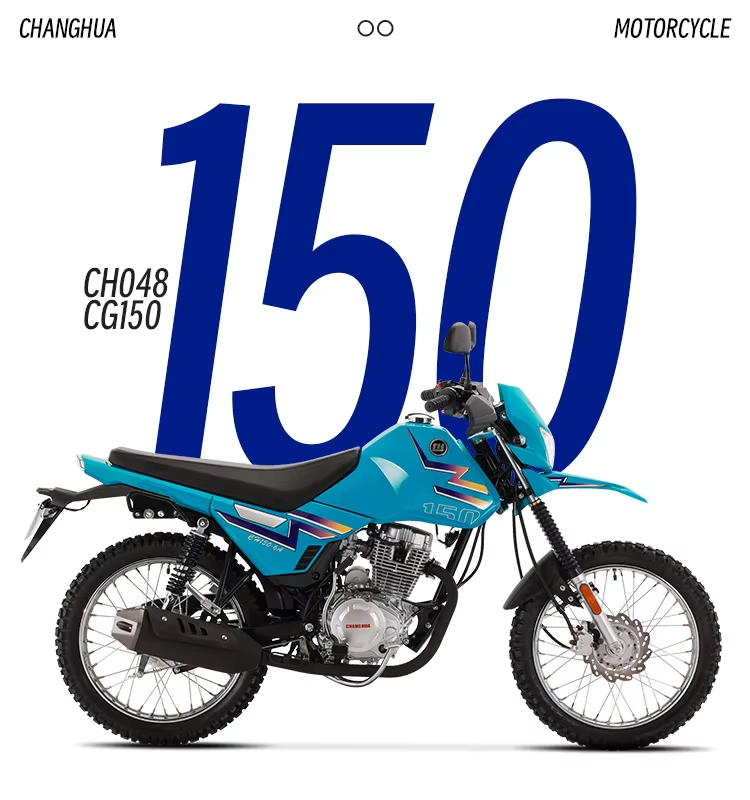
On the opposite end of the spectrum are riders who want to escape the paved roads entirely. Navigating dirt trails, rocky paths, and steep inclines requires a machine built for extreme durability. A rugged Off Road Motorcycle is engineered specifically for these harsh conditions. Manufacturers equip these models with high-clearance suspension systems, deep-tread tires, and reinforced frames capable of absorbing heavy impacts. The engines are tuned to deliver immediate torque, giving riders the power they need to conquer steep hills and muddy trenches.

Key Specifications Comparison
Understanding the differences between vehicle categories can help buyers make informed decisions. The table below outlines the primary features of various popular transit options available in the market today.
Vehicle Category | Primary Use Case | Power Source | Key Advantage |
Battery-Powered Moped | Short city commutes | Rechargeable Battery | Eco-friendly, low maintenance |
Trail Dirt Bike | Unpaved wilderness paths | Gas Engine | High suspension, durable frame |
Sport Bike | Highway and track riding | Gas Engine | Aerodynamic speed, agility |
Utility Trike | Commercial cargo transport | Mixed Options | High load capacity, stability |
Touring Bike | Long-distance travel | Gas Engine | Rider comfort, storage space |
Quality Assurance and Testing
Building a visually appealing vehicle is only half the battle; ensuring it operates safely for years is the true mark of a quality manufacturer. Rigorous quality control protocols are implemented at every stage of the production process.
Before any vehicle leaves the facility, it must pass a comprehensive end-of-line inspection. Technicians run the engines, test the braking capabilities, and verify that all electronic systems function correctly. Many facilities also feature on-site test tracks where professional riders evaluate the handling, acceleration, and suspension of randomly selected units from the production line.
Additionally, top manufacturers hold international certifications, such as ISO9001, which dictate strict quality management standards. Securing these certifications proves that a facility consistently produces safe, reliable vehicles that meet global regulatory requirements.
Ready to Hit the Road?
The creation of a modern two-wheeled vehicle is a remarkable feat of engineering and logistics. By combining innovative designs with meticulous assembly and testing, leading manufacturers continue to push the boundaries of what these machines can achieve.
Whether you are seeking an eco-friendly way to navigate city streets or a powerful machine to explore remote trails, understanding how your vehicle was built can help you make a smarter purchasing decision. If you are looking to upgrade your current ride or source reliable vehicles for distribution, take the time to research manufacturers with a proven track record of excellence. Explore detailed product catalogs, review their technical specifications, and reach out to industry experts to find the perfect match for your riding needs.


